All posts filed under: Featured

War and Peace in Islam: Jihadi-Salafis

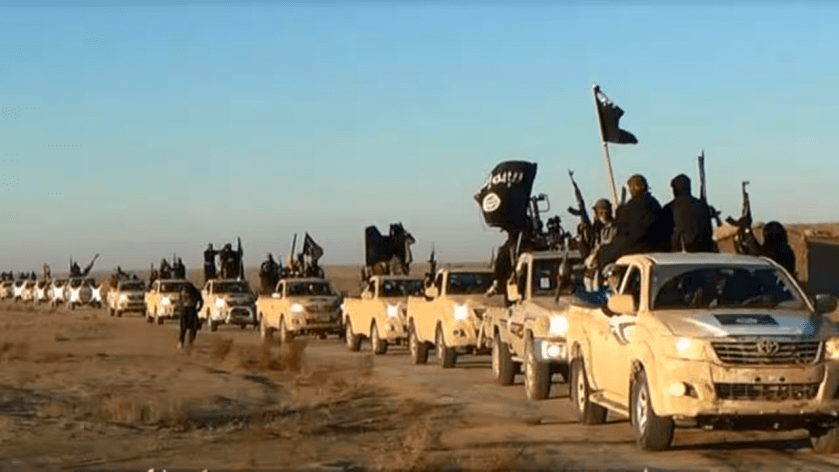
Continuing our series on war and peace in Islam, we discuss the modern phenomenon of Jihadi-Salafism which post 9-11 has dominated the world scene as part of America’s war on terror. A brief history In the latter part of the 20th century, a number of Jihadi-Salafi groups emerged in the Muslim world. These groups were established as a reaction to the deaths and destruction inflicted upon Muslims in a number independence wars starting primarily with the Soviet invasion and occupation of Afghanistan (1979-1989). The resistance to the Soviet invasion was undertaken by Afghan mujahideen who had lived in the land for thousands of years, and who followed the Hanafi-Deobandi school of thought (mathhab). Throughout the 1980s many Arab volunteers who followed Salafism came to assist the Afghans bringing with them money from the Gulf countries who were rich in oil wealth. One of the most famous in this regard is Osama bin Laden whose family to this day are billionaires. The mujahideen were openly supported by America and the CIA who were actively training them …
War and Peace in Islam: What is jihad?

This is the first of a new series of articles addressing some misconceptions surrounding the issues of war and peace in Islam. It will focus primarily on the subject of Muslims living in non-Muslim countries who can face a moral dilemma with regards to split loyalties when their host country goes to war with a Muslim country. The Takfiri[1]Jihadi-Salafi groups in particular have attempted to influence Muslims across the world with their extreme misinterpretation of Islamic texts in order to justify treacherous actions, both in Muslim and non-Muslim countries. While their impact has been miniscule in comparison to other criminal acts, and blown out of all proportion by those interest groups who have nefarious agendas against the Islamic religion, their arguments still need to be addressed in order to remove any confusion that may arise in someone’s mind regarding such conduct. In most cases, as with any intolerant and extreme views, whether Muslim or not, other sociological and psychological factors are in fact the real motivations behind many of these despicable acts. Definition of jihad …

Rethinking the Wali Al-‘Ahd (Designated Successor)

Continuing our series on the bay’ah, one of the core issues which needs to be addressed is how to facilitate a smooth transition of power from one caliph to the next. Every ruling system faces this problem and if handled incorrectly may lead to instability and even civil war. This is something we witnessed throughout Islamic history when the caliphate transformed from a rightly guided caliphate into mulk (monarchy) not in the sense of the caliph being sovereign like an absolute monarch or king, but in the characteristics of a monarchy like hereditary rule and abuse of power. This was prophesised by the Messenger of Allah ﷺ who said, تَكُونُ الْخِلَافَةُ ثَلَاثِينَ سَنَةً ثُمَّ تَصِيرُ مُلْكًا “The caliphate will be for thirty years. Then it will become mulk (monarchy).”[1] Hereditary rule was introduced by Mu’awiya who made his son Yazid the Wali Al-’Ahd (heir apparent or designated successor) before he died. This was meant to facilitate a smooth transition of power and prevent another civil war as Ibn Khaldun says, “Mu‘âwiyah himself preferred his son …

Al-Mazalim (Court of Grievances) in the Rightly Guided Caliphate

The Islamic ruling system is underpinned by a number of principles (القَواعِد) which are derived from the Qur’an and Sunnah. These principles will map to one or more formal institutions (أَجْهِزَة) within the state which are necessary to meet the demands of a society in a specific time and place. Israr Ahmed (d.2010) says, “Since we cannot recreate as such the Islamic Order as it functioned during the age of the Rightly Guided Caliphate, we must adopt the following principle: we should take the principles and ideals from the model of the Prophet Muhammad ﷺ and the Rightly Guided Caliphs (RAA), and then incorporate these principles and ideals in the political institutions that have been developed in the contemporary civilized world as a result of the process of social evolution.”[1] What is the Wiliyat Al-Mazalim? One of the principles of the Islamic ruling system is “Removing Maẓālim” (plural: مَظالِم singular: مَظْلِمَة) which literally means removing oppression but in its istilahiyya (technical) meaning refers to removal of state oppression. The principle is shortened in the literature …

Rhetorical Perceptions in Surah Al-Humazah

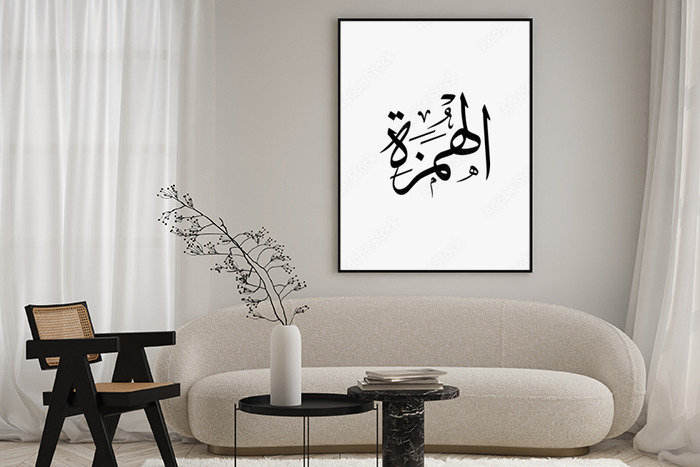
This is a translation from Dr Fadhel Saleh Al-Samarra’i’s لَمَسات بَيانِيَّة لِسُوَر القُرْآن الكَرِيم ‘Rhetorical Perceptions in the Surahs of the Holy Qur’an.’ Dr Fadhel (b.1933) is a former Professor of Literature at the College of Arabic Language at the University of Sharjah. His full biography can be read here. Surah Al-Humazah وَيْلٌۭ لِّكُلِّ هُمَزَةٍۢ لُّمَزَةٍ Woe to every backbiter, slanderer, ٱلَّذِى جَمَعَ مَالًۭا وَعَدَّدَهُۥ who amasses wealth ˹greedily˺ and counts it ˹repeatedly˺, يَحْسَبُ أَنَّ مَالَهُۥٓ أَخْلَدَهُۥ thinking that their wealth will make them immortal! كَلَّا ۖ لَيُنۢبَذَنَّ فِى ٱلْحُطَمَةِ Not at all! Such a person will certainly be tossed into the Crusher. وَمَآ أَدْرَىٰكَ مَا ٱلْحُطَمَةُ And what will make you realize what the Crusher is? نَارُ ٱللَّهِ ٱلْمُوقَدَةُ ˹It is˺ Allah’s kindled Fire, ٱلَّتِى تَطَّلِعُ عَلَى ٱلْأَفْـِٔدَةِ which rages over the hearts. إِنَّهَا عَلَيْهِم مُّؤْصَدَةٌۭ It will be sealed over them, فِى عَمَدٍۢ مُّمَدَّدَةٍۭ ˹tightly secured˺ with long braces.  The Purpose of the Surah This is a Meccan surah that revolves around those who criticize people and slander (يَلْمُزُونَ) them, belittle them, and …

Structure of an Islamic State: The Provinces

Every state is divided up into administrative divisions in order to organise and manage the local affairs of its citizens. The names and sizes of these divisions will vary between different countries, and an Islamic State or caliphate can use any of these administrative divisions from any system which suits its requirements at the time. The underlying principle here is to keep the caliphate united upon the Islamic ‘aqeeda (creed), even if administratively and politically it consists of separate states and entities. The top-level division in a caliphate is the province or state known as a Wiliyah (ولاية) or Emirate (إِمَارَةِ). The head of this province is called a Wali or an Amir. In the latter half of the Abbasid Caliphate, when the provinces became powerful semi-independent ‘empires’ then Sultanate (سَلْطَنَة) was used as in the case of the Seljuks, Mamluks and Ottomans. For the citizens of an Islamic State, their first point of contact with the leadership of the state is the governor of their province or emirate, and their local mayors in the …

Rhetorical Perceptions in the Final 10 Chapters of the Qur’an

This is a translation from Dr Fadhel Saleh Al-Samarra’i’s لَمَسات بَيانِيَّة لِسُوَر القُرْآن الكَرِيم ‘Rhetorical Perceptions in the Surahs of the Holy Qur’an.’ Dr Fadhel (b.1933) is a former Professor of Literature at the College of Arabic Language at the University of Sharjah. His full biography can be read here. Dr Fadhel is a well-known Arabic linguist whose works give an insight in to the miraculous nature of Qur’anic Arabic, the only conclusion being that this Qur’an must have come from an unlimited, all-powerful creator, Allah (Most High). Some basic Arabic grammar is required to understand the concepts explained in Dr Fadhel’s book. There are many institutes, websites and YouTube channels which can assist in this. Roots of Knowledge and Al-Qalam Institute are two such resources I recommend. Surah Al-Fil أَلَمْ تَرَ كَيْفَ فَعَلَ رَبُّكَ بِأَصْحَـٰبِ ٱلْفِيلِ Have you not seen ˹O Prophet˺ how your Lord dealt with the Army of the Elephant? أَلَمْ يَجْعَلْ كَيْدَهُمْ فِى تَضْلِيلٍۢ Did He not frustrate their scheme? وَأَرْسَلَ عَلَيْهِمْ طَيْرًا أَبَابِيلَ For He sent against them flocks of …

Structure of an Islamic State: The Dīwān

“The Arabic word dīwān (دِيوان) refers to a sitting room, where scribes can sit and attend to their work; it can also mean a collection of notebooks, or a ledger, containing the names of those who are registered in the military or who receive grants from the government.”[1] In modern times a dīwān is called a government department (دائِرَة da’ira). Al-Mawardi says, “The dīwān is a place for maintaining what is related to the authorities of the Sultan in terms of public works, finance, and the armies and governors (Al-‘Ummal) who carry them out.”[2] The original term dīwān is from Pahlavi (Middle Persian), because this administration of state bureaucracy was adopted from the Persian empire by Umar ibn Al-Khattab, the second caliph of Islam in the year 20H[3]. Abu Hurayra, who was the governor of al-Bahrain came to Umar with 500,000 dirhams in tax revenue. After Umar’s initial shock at the size of this amount he consulted the sahaba and he was advised to adopt the diwan of the Persians.[4] Administration (إِدارَة idara) can be …

Structure of an Islamic State: The Executive Minister

Al-Mawardi describes the Wazir Al-Tanfidh (The Executive Minister) in his model, “As for the wazirate of execution (tanfidh), its rule is weaker and its conditions are fewer as its authority is restricted to the judgement and direction of the Imam: the wazir is a mediator between him and his subjects, carrying out his commands, executing his instructions, enacting what he decides and announcing any governmental appointments or military preparations of the armies; he also informs him about anything of importance which happens and any new developments which come to his notice, so that he may act in accordance with the Imam’s command. He is thus appointed for the execution of affairs but not to organise them -indeed he is not appointed for this purpose. If he shares in making judgements, the name ‘wazir’ is more fitting while if he does not, then the name ‘mediator’ (Al-Wasitah) or ‘ambassador’ (Al-Sifarah) is more applicable.”[1] The Minister of Execution (Wazir Al-Tanfidh) in modern times may be part of the Executive Office or head up an Executive Department. Historically, …

Structure of an Islamic State: The Armed Forces

Every state must have an army to protect its interests at home and abroad, and the Islamic State is no different in this regard. Although the word jihad has become a controversial term nowadays due to the west and its media equating it with terrorism, no one can dispute that fighting to make Allah’s word the highest i.e. that the systems and laws in the land are based on sharia is a major part of the Islamic religion, and two billion of the world’s population would not be Muslim today if it wasn’t for these conquests that took place over the centuries. The Prophet ﷺ said,  رَأْسُ الأَمْرِ الإِسْلاَمُ وَعَمُودُهُ الصَّلاَةُ وَذِرْوَةُ سَنَامِهِ الْجِهَادُ “The head of the matter is Islam, and its pillar is the prayer, and its hump[1] is Jihad.”[2] Allah (Most High) says, ٱلَّذِينَ أُخْرِجُوا۟ مِن دِيَـٰرِهِم بِغَيْرِ حَقٍّ إِلَّآ أَن يَقُولُوا۟ رَبُّنَا ٱللَّهُ ۗ وَلَوْلَا دَفْعُ ٱللَّهِ ٱلنَّاسَ بَعْضَهُم بِبَعْضٍۢ لَّهُدِّمَتْ صَوَٰمِعُ وَبِيَعٌۭ وَصَلَوَٰتٌۭ وَمَسَـٰجِدُ يُذْكَرُ فِيهَا ٱسْمُ ٱللَّهِ كَثِيرًۭا ۗ وَلَيَنصُرَنَّ ٱللَّهُ مَن يَنصُرُهُۥٓ ۗ إِنَّ ٱللَّهَ لَقَوِىٌّ عَزِيزٌ ˹They …