All posts filed under: Beliefs

The Balanced Nation

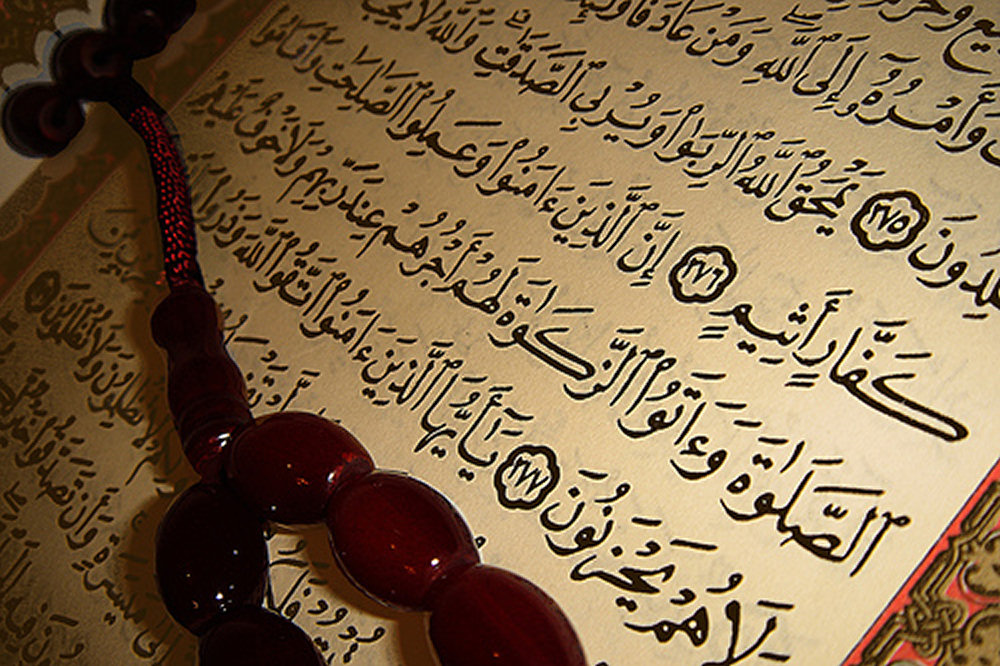
By Dr Safi Kaskas This has been reproduced from Dr Safi’s Facebook page with some minor additions. The second chapter of the Qur’an – Surah Al-Baqara has 286 verses. In the middle of this chapter i.e. verse 143 it says, وَكَذَٰلِكَ جَعَلْنَـٰكُمْ أُمَّةًۭ وَسَطًۭا لِّتَكُونُوا۟ شُهَدَآءَ عَلَى ٱلنَّاسِ وَيَكُونَ ٱلرَّسُولُ عَلَيْكُمْ شَهِيدًۭا And so We have made you ˹believers˺ a justly balanced nation so that you may be witnesses over humanity and that the Messenger may be a witness over you.[1] The phrase “ummatan wasatan” (أُمَّةً وَسَطًا) in the Qur’an 2:143 is rich and multidimensional. The word wasat (وسط) in Arabic does not simply mean “middle” in a numerical sense—it means just, balanced, moderate, excellent, and rightly guided. Below is how this principle applies across different levels: 1. Overall Meaning “A balanced nation” means: Islam rejects: Instead, it calls for a measured, principled middle path. 2. International Politics Being ummatan wasatan means: وَلَا يَجْرِمَنَّكُمْ شَنَـَٔانُ قَوْمٍ عَلَىٰٓ أَلَّا تَعْدِلُوا۟ ۚ ٱعْدِلُوا۟ هُوَ أَقْرَبُ لِلتَّقْوَىٰ Do not let the hatred of a people lead you to …

The Dangers of Religious Fanaticism

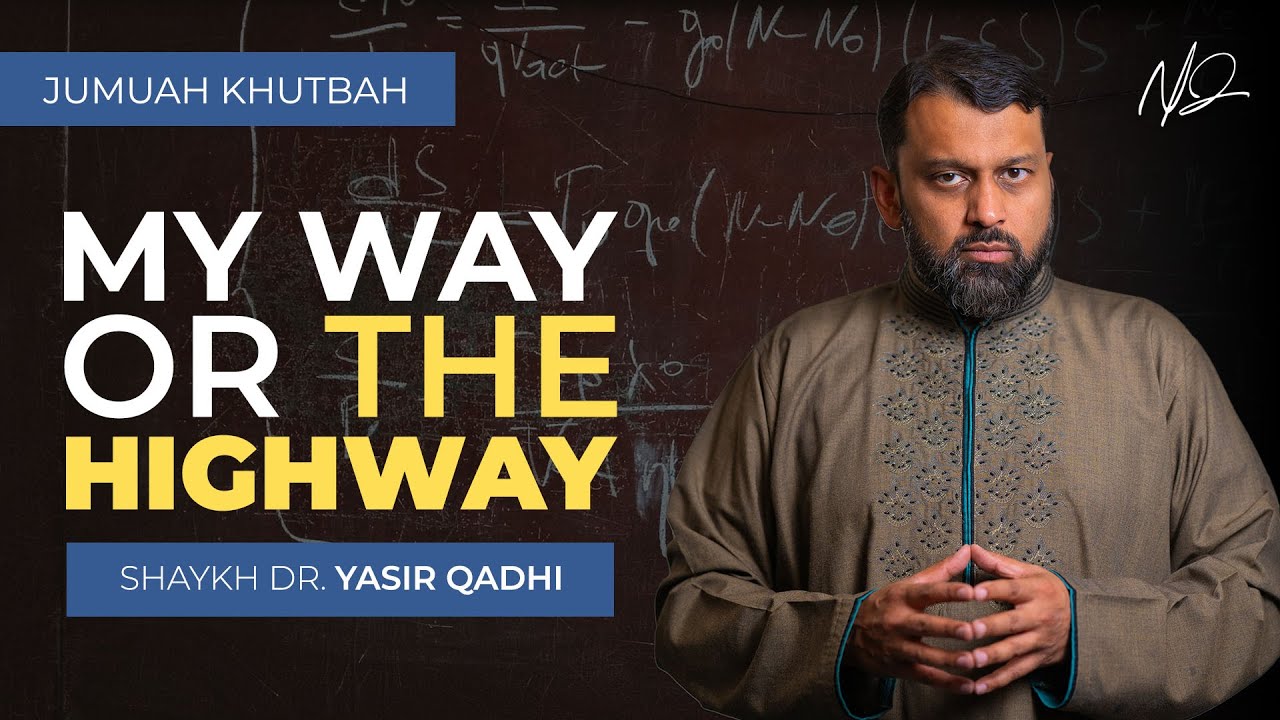
In this khutbah (sermon), Sheikh Yasir Qadhi tackles the subject of fanaticism, extremism and sectarianism which unfortunately we find among some sections of the Muslim Ummah today, especially those involved in Islamic activism and daw’ah. His talk outlines five dangers of fanaticism, five points on how to recognise fanaticism and three ways to protect ourselves from such ideas and groups. This is a paraphrased transcript of Yasir Qadhi’s khutbah on ‘The Dangers of Religious Fanaticism’. For the full lecture please watch the video below. Introduction During Hajj on the morning of Al-’Aqabah, our Prophet ﷺ told his cousin Ibn ‘Abbas to collect pebbles for throwing at the jamarat. So Ibn Abbas brought a whole bunch of pebbles and he showed them to the Prophet ﷺ. The Prophet ﷺ looked at this group of pebbles, and he picked from them all of the large ones, and he threw them away, and said, ‏ أَمْثَالَ هَؤُلاَءِ فَارْمُوا ‏ “Throw something like these (i.e. the small pebbles).” Then he ﷺ said to the people, يَا أَيُّهَا النَّاسُ إِيَّاكُمْ …

Allah is merciful to the believers at all points in their life and death

Introduction The Islamic Personality is a balanced personality. It is not extreme and it must contain both fear and hope for a believer to realise their full potential in worshipping the Creator Allah (Most High). Ibn al-Qayyim said: “The heart, in its journey to Allah is like that of a bird: love is its head, and fear and hope are its two wings. When the head and two wings are sound, the bird flies gracefully; if the head is severed, the bird dies; if the bird loses one of its wings, it then becomes a target for every hunter or predator.” (Madārij as-Sālikīn) When Shaitan whispers to the believers he plays on fear and hope trying to corrupt this balance and lead the person astray. He will whisper to the believer about the punishment of Allah and make you lose hope in forgiveness for your sins saying, “You are going to hell anyway why bother doing good deeds?” If this doesn’t work then he will give the believer too much hope where he becomes lazy …

How does the linguistic style of the Prophet Muhammad ﷺ differ to that of the Qur’an?

BY AHMED GAMAL This article has been reproduced from islamiqate.com In a Nutshell: The linguistic and stylistic analyses show the Qur’an and the Hadith as two independently authored texts; each author exhibiting a different style in their vocabulary, linguistic structures (bigrams, expressions, word frequency etc) and mindset. Introduction Computational-based Author Discrimination can be used to identify whether two different texts are authored by the same author or different authors. Textual scholars use this approach to identify the authorship of books attributed to a certain author. For example, New Testament scholars analyse the letters attributed to Paul in terms of their vocabulary, style, structure, patterns and mindset along with a number of other features. They conclude all of the letters could not be authored by the same author because the linguistic styles in the various letters are dramatically different. In this answer, I am going to consider two important studies applied to the Qur’an and hadith authored by Halim Sayoud from USTHB University, Algiers. The first focuses on linguistic analyses and the second on visual analyses. Linguistic Analyses In 2012 a study was published by the Literary and Linguistic Computing journal seeking to …

JESUS: Man, Messenger, Messiah

BY HAMZA TZORTZIS. Nearly two billion Christians and over 1.5 billion Muslims believe in him, yet Jesus is perhaps the most misunderstood and misrepresented person in history. This talk demystifies Jesus – his life, teachings, personality and mission. It highlights commonalities but also examines philosophical and theological differences between Christianity and Islam.

Sinéad O’Connor reverts to Islam: “They are the people guided by their Lord. They are the ones who have success.”

Sister Shudada’ Davitt (formerly Sinéad O’Connor) has accepted Islam saying ‘This is the natural conclusion of any intelligent theologian’s journey’. أُولٰئِكَ عَلىٰ هُدًى مِن رَبِّهِم ۖ وَأُولٰئِكَ هُمُ المُفلِحونَ “They are the people guided by their Lord. They are the ones who have success.” (Al-Baqara, 2:5) This is to announce that I am proud to have become a Muslim. This is the natural conclusion of any intelligent theologian’s journey. All scripture study leads to Islam. Which makes all other scriptures redundant. I will be given (another) new name. It will be Shuhada’— Shuhada’ Davitt (@MagdaDavitt77) October 19, 2018 Islam rejects blind faith and throughout the Holy Qur’an, Allah commands human beings to contemplate on His creation so they can come to the natural conclusion that all things are created by Allah (Most High). حم تَنزيلُ الكِتابِ مِنَ اللَّهِ العَزيزِ الحَكيمِ إِنَّ فِي السَّماواتِ وَالأَرضِ لَآياتٍ لِلمُؤمِنينَ وَفي خَلقِكُم وَما يَبُثُّ مِن دابَّةٍ آياتٌ لِقَومٍ يوقِنونَ وَاختِلافِ اللَّيلِ وَالنَّهارِ وَما أَنزَلَ اللَّهُ مِنَ السَّماءِ مِن رِزقٍ فَأَحيا بِهِ الأَرضَ بَعدَ مَوتِها وَتَصريفِ الرِّياحِ آياتٌ لِقَومٍ يَعقِلونَ تِلكَ آياتُ …

Dangers of Taking Ahad Hadith in to Aqeeda

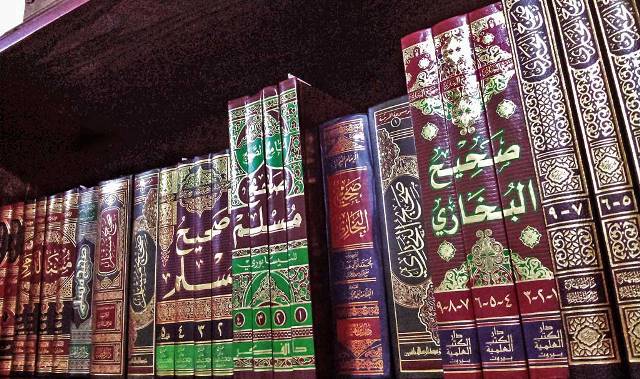
This topic has caused much confusion in Islamic circles primarily because those discussing it have completely misunderstood the issue due to a weak understanding of usul ul-fiqh. Instead of gaining the required knowledge they instead resort to slander and even takfir in some cases! The question is not whether someone believes in a particular ahad hadith or not but the question is who is a Muslim? What are those pillars of iman that someone must believe in to be called a Muslim, which if they reject they leave Islam? Sheikh Ahmad Mahmoud sums up this discussion, 2 – In the pillars of the Islamic ‘Aqeedah, it is not enough to have zann (speculation) or least amount of zann, rather they must be qata’i (definite and decisive). It is not allowed to have taqleed (imitation) in it, otherwise the Muslims will end up taking superstition and follow those who practise deception. 3 – In the thoughts relating to the ‘Aqeedah (peripheral branches to the pillars) it is sufficient to have the least amount of zann, and …