
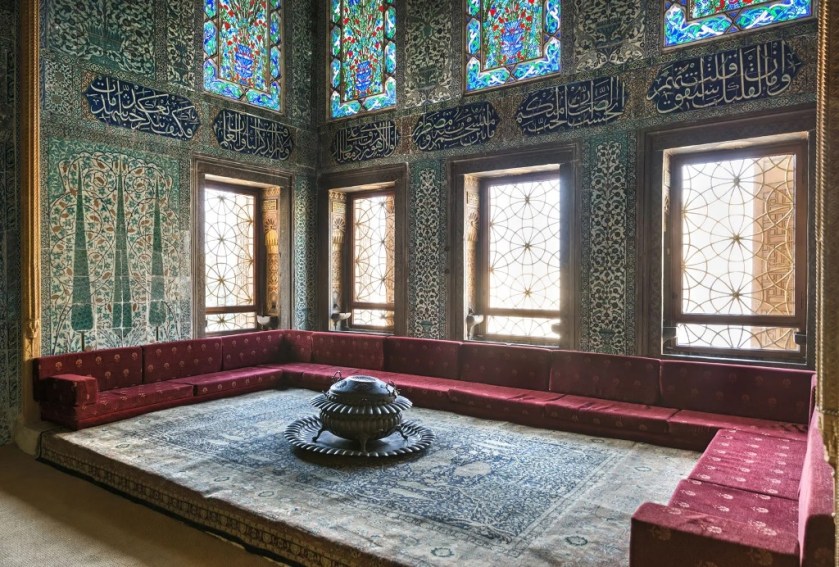
Structure of an Islamic State: The Dīwān
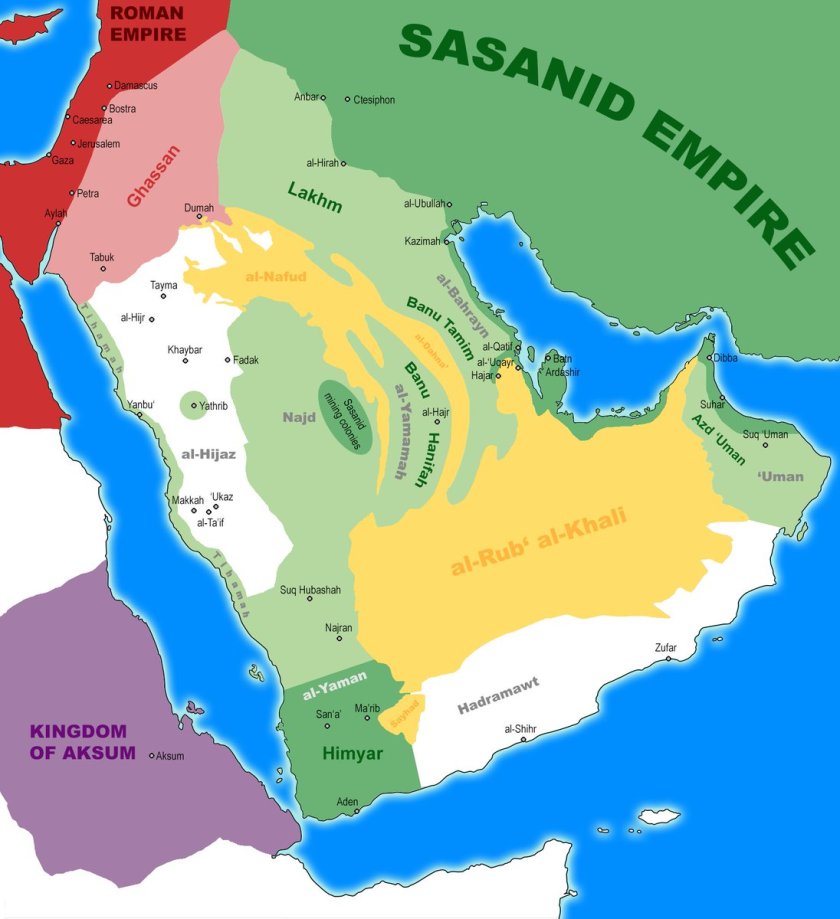
“The Arabic word dīwān (دِيوان) refers to a sitting room, where scribes can sit and attend to their work; it can also mean a collection of notebooks, or a ledger, containing the names of those who are registered in the military or who receive grants from the government.”[1] In modern times a dīwān is called a government department (دائِرَة da’ira). Al-Mawardi says, “The dīwān is a place for maintaining what is related to the authorities of the Sultan in terms of public works, finance, and the armies and governors (Al-‘Ummal) who carry them out.”[2] The original term dīwān is from Pahlavi (Middle Persian), because this administration of state bureaucracy was adopted from the Persian empire by Umar ibn Al-Khattab, the second caliph of Islam in the year 20H[3]. Abu Hurayra, who was the governor of al-Bahrain came to Umar with 500,000 dirhams in tax revenue. After Umar’s initial shock at the size of this amount he consulted the sahaba and he was advised to adopt the diwan of the Persians.[4] Administration (إِدارَة idara) can be …





 Islamic Civilization