
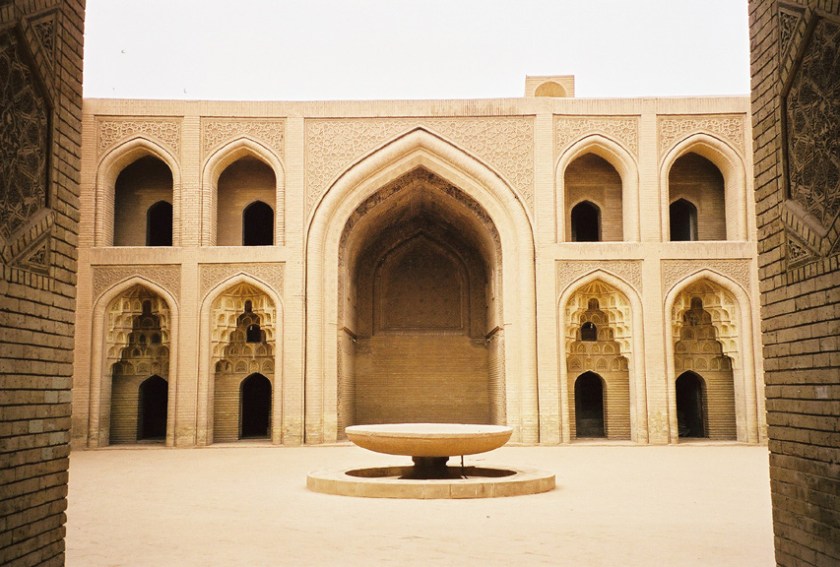
Structure of an Islamic State: The Executive Minister
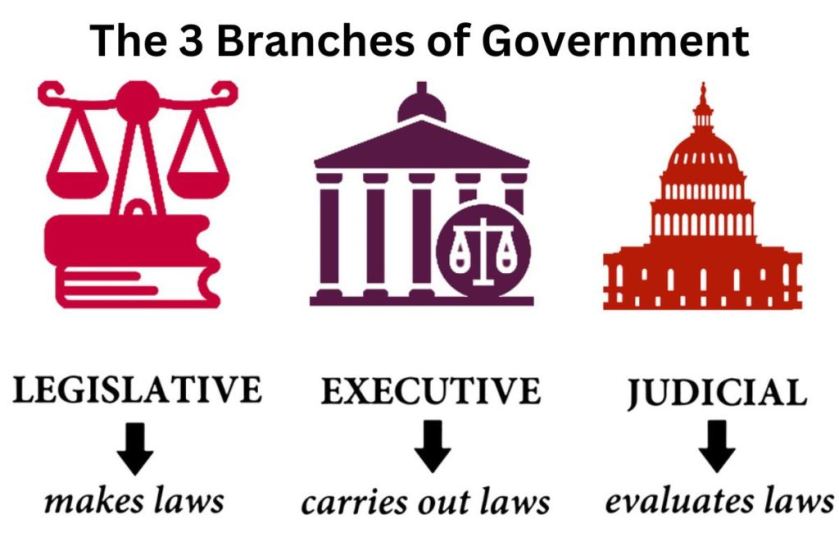
Al-Mawardi describes the Wazir Al-Tanfidh (The Executive Minister) in his model, “As for the wazirate of execution (tanfidh), its rule is weaker and its conditions are fewer as its authority is restricted to the judgement and direction of the Imam: the wazir is a mediator between him and his subjects, carrying out his commands, executing his instructions, enacting what he decides and announcing any governmental appointments or military preparations of the armies; he also informs him about anything of importance which happens and any new developments which come to his notice, so that he may act in accordance with the Imam’s command. He is thus appointed for the execution of affairs but not to organise them -indeed he is not appointed for this purpose. If he shares in making judgements, the name ‘wazir’ is more fitting while if he does not, then the name ‘mediator’ (Al-Wasitah) or ‘ambassador’ (Al-Sifarah) is more applicable.”[1] The Minister of Execution (Wazir Al-Tanfidh) in modern times may be part of the Executive Office or head up an Executive Department. Historically, …





 Islamic Civilization