Author: islamciv

Executive Branch of the Caliphate

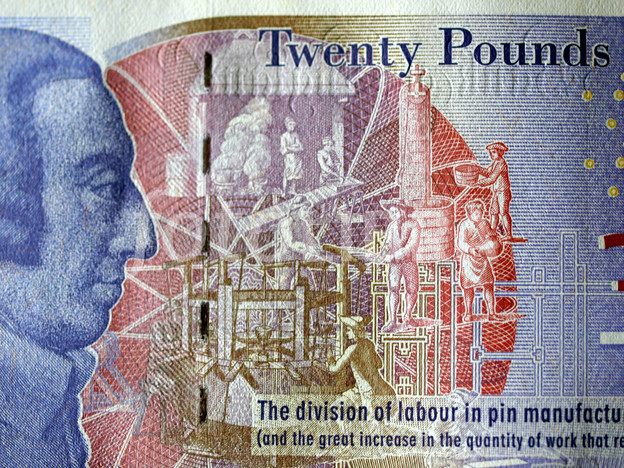
Executive powers of the Caliph The executive branch of government is responsible for the day-to-day management of the state. Islam does not believe in collective ruling where the executive powers are shared among a cabinet of ministers. In parliamentary democracy the Prime Minister is ‘first among equals’, having limited powers of interference in his cabinet minister’s departments. Sharing executive power among government ministers with separate portfolios (departments) leads to immense bureaucracy and lengthy delays in resolutions to problems. It also leads to political infighting and rivalry between government departments. Normally the head of the treasury emerges as the second most powerful minister since he must approve the budgets for all other departments which he can use to wield political influence. Tony Blair and Gordon Brown’s fractious relationship in the UK is an example of this.

TIME Archive: News of the last Caliphate

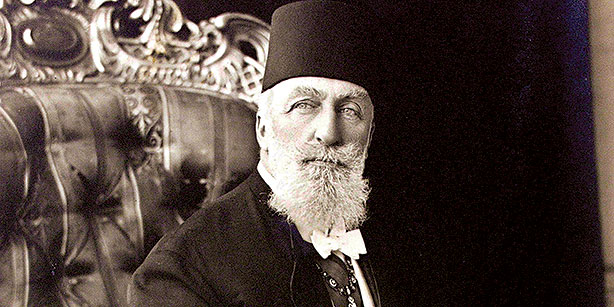
Photograph of the last Caliph – Abdul-Mejid II As the anniversary of the destruction of the Caliphate approaches, Muslims must never forget this dark day in history that led to the removal of Islam and sharia from authority and ruling. Monday 3rd March 1924 was the official date of the Caliphate’s abolishment according to the western Gregorian calendar.

Who will fill the government posts in a future Caliphate and from where in society will they be selected from?

In answer to this there are two factors that need to be considered for someone to be suitable for a ruling position in the Caliphate – capability and strength of ideology. Capability to Rule Capability in carrying out the task of ruling is an explicit shar’i (Iegal) condition for the Caliph, Assistants (mu’awinoon) and the governors (wulah).

Conquest of Egypt: Ubadah ibn as-Samit’s address to the Egyptian Ruler Al-Muqawqis

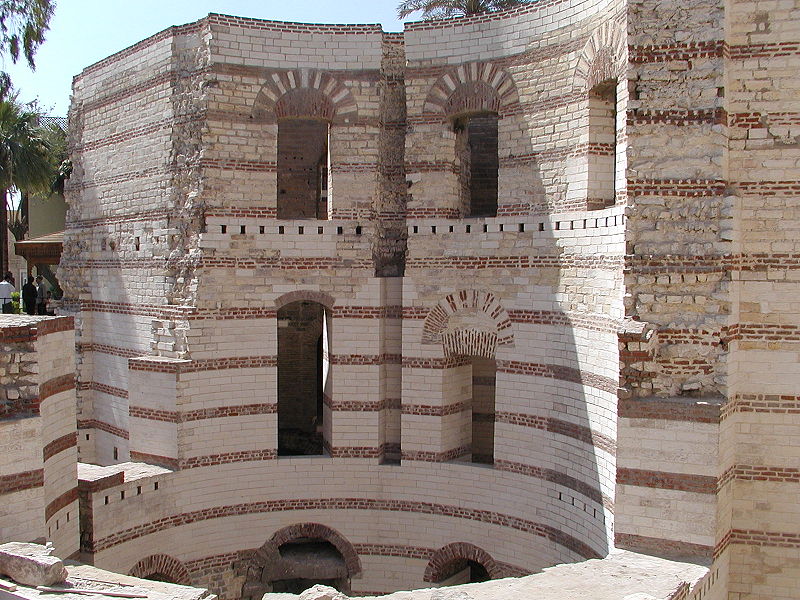
Amr ibn Al-‘As was commander of the army sent to conquer Egypt during the Caliphate of Umar ibn al-Khattab. After the conquest Amr became Egypt’s first Islamic governor (wali). The Muslim forces laid siege to the Babylon Fortress in 641CE (in the area known as Coptic Cairo today) where al-Muqawqis, the Egyptian Ruler was holed up. General Amr ibn Al-‘As sent a delegation of ten men, headed by Ubadah ibn as-Samit, to speak with al-Muqawqis.

Is the Caliphate an Extreme Islamic goal?

This article is from New Civilisation Magazine. The word ‘extreme’ only takes on meaning when defined against some benchmark. ‘Extreme’ weather is a serious departure from a normal, expected climate; extremely hot or cold water is defined as such when compared against, say, lukewarm. The word is relative and defined in relation to some ‘norm’. Ideas are not different.

VIDEO: Muslims, Jews and Christians living in Jerusalem under the Ottoman Caliphate in 1896

Narrated by Ibn ‘Asaakir, from Maseerah b. Jaleese, where he heard the Prophet ﷺ:   “This matter (the Khilafah) will continue after me in Al-Madina, then (move to) Al-Shaam, then to the peninsula, then to Iraq, then to the city, then to Bait-ul-Maqdis. So if it reaches Bait-ul-Maqdis, then it would have reached its (natural resting place); and no people who remove it (i.e. the capital of the Khilafah) from their land will ever get it back again (for them to be the capital again).”