Author: islamciv

The Necessity of Authority by Ibn Taymiyyah

This is an excerpt from Ibn Taymiyyah’s as-Siyasah ash-Shari’ah fi Islah ar-Ra’i war-Ra’iyah. It should be known that the exercise of authority[1] (for the benefit) of the people is (one) of the greatest religious duties. Neither deen nor world order may be established without it. The children of Adam cannot ensure the realization of their (common) interest except by meeting together, because every one of them is in need of every other one, and when they meet together, it is inevitable for them to have a head (rais رَأْس), so the Prophet ﷺ said: إِذَا خَرَجَ ثَلاَثَةٌ فِي سَفَرٍ فَلْيُؤَمِّرُوا أَحَدَهُمْ “If three of them were on a journey, they should choose one of them as Amir (leader).”[2] Imam Ahmad has related in his Musnad on the authority of ‘Abdullah Ibn Amr that the Prophet ﷺ has said: لَا يَحِلُّ لِثَلَاثَةٍ يَكُونُونَ بِفَلَاةٍ مِنْ الْأَرْضِ إلَّا أَمَّرُوا عَلَيْهِمْ أَحَدَهُم “If three (of you) are in a desolate tract of land, one of you must be the Amir.” The Prophet ﷺ has thereby enjoined that even …


The protection granted by one Muslim is binding on everyone in the state

This is an extract from the book Al-Jihad wa’l Qital fi as-Siyasa ash-Shar’iyya by Sheikh Muhammad Khayr Haykal, chapter ‘The Mu’aahadaat (treaties) and Al-Amaan (the security)’ The Messenger of Allah ﷺ said, وَذِمَّةُ الْمُسْلِمِينَ وَاحِدَةٌ يَسْعَى بِهَا أَدْنَاهُمْ فَمَنْ أَخْفَرَ مُسْلِمًا فَعَلَيْهِ لَعْنَةُ اللَّهِ وَالْمَلاَئِكَةِ وَالنَّاسِ أَجْمَعِينَ لاَ يُقْبَلُ مِنْهُ يَوْمَ الْقِيَامَةِ عَدْلٌ وَلاَ صَرْفٌ “The protection granted by Muslims is one and must be respected by the humblest of them. And he who broke the covenant made by a Muslim, there is a curse of Allah, of his angels, and of the whole people upon him, and neither an obligatory act nor a supererogatory act would be accepted from him as recompense on the Day of Resurrection.”[1] Concerning this Hadeeth, the following came stated in Fath ul-Baari: “The Dhimmah of the Muslims is one: It means: Their Amaan (security) is Saheeh (valid). Therefore, if one of them provides Amaan (security) to a Kaafir (disbeliever) it is Haraam upon anyone else to infringe upon him.”[2] Based upon this, when Umm Haani’[3] may Allah be pleased …

What happened when Khalid ibn al-Walid broke the laws of war with Banu Jadheemah?

A controversial expedition took place after the conquest of Makkah, when Khalid ibn al-Walid was sent on a mission to Banu Jadheemah (بنو جذيمة) to call them to Islam. When the Messenger of Allah ﷺ was informed of the events that unfolded there, he ﷺ became angry, raised his hands towards the sky, and said, اللَّهُمَّ إِنِّي أَبْرَأُ إِلَيْكَ مِمَّا صَنَعَ خَالِدٌ “O Allah, I do indeed absolve myself of what Khaalid did!”[1] It should be kept in mind when analysing this event, that Khalid was a new Muslim who had only converted to Islam a few months prior to the conquest of Makkah. It’s also important to note that the companions are human beings who can sin and make mistakes, which is why their human struggles and how they overcame them, make them an excellent example for us to follow. The Messenger of Allah ﷺ said: أَصْحَابِي كَالنُّجُومِ بِأَيِّهِمْ اقْتَدَيْتُمْ اهْتَدَيْتُمْ “My companions are like stars, whichever of them you use as a guide, you will be rightly guided.”[2] The Islamic State is not …

400 years of peace: Palestine under Ottoman rule

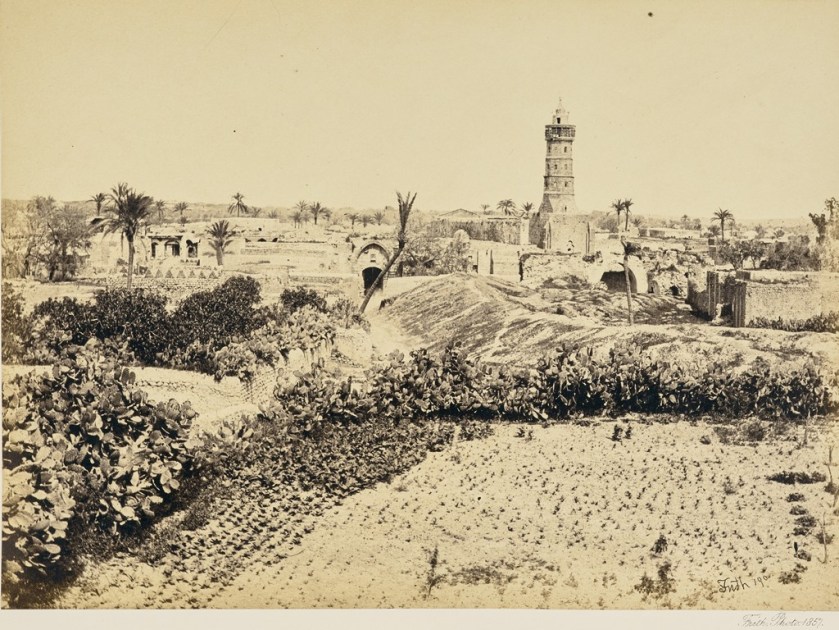
This has been reproduced from the Daily Sabah. Ruling the Palestine region for more than 400 years, the Ottomans fought fiercely to keep the ancient lands during World War I but eventually lost them to the British Palestine, which has witnessed many conflicts throughout history, came under Ottoman rule in the 16th century. When Yavuz Sultan Selim defeated the Mamluk ruler Kansu Gavri in the Battle of Marj Dabiq in 1516, Syria and Palestine joined the Ottoman lands. Yavuz Sultan Selim entered Jerusalem on Dec. 29, 1516. Under Ottoman rule, the Palestinian territory was organized into three states, Jerusalem, Gaza and Nablus, all linked to the Damascus Province. Palestine, in the last period of the Ottoman Empire, was first linked to the state of Sidon, later to Syria and then to Beirut, which was founded in the last period. The Ottomans ruled in Palestine for 401 years. Palestine was and still is a region of great importance for Muslims, Christians and Jews. In particular, the sacred places in Jerusalem could not be shared. Even the …

Liberation of Jerusalem: Salahudeen’s mercy towards the Crusaders

Salahudin Ayubi liberated Jerusalem (Al-Quds) on Friday 27 Rajab 583 AH/12 October 1187 CE after Lord Balian of Ibelin, the crusader commander in charge of Jerusalem, surrendered the city. This marked an end to nearly 100 years of crusader occupation and the liberation of Masjid Al-Aqsa. When the crusaders first entered Jerusalem in 1099, they massacred the Muslim and Jewish inhabitants, yet Salahudin on retaking the city never enacted revenge on them for this, nor the subsequent atrocities they had committed over the past century. He followed in the footsteps of the Prophet Muhammad ﷺ who on entering Makkah did not enact revenge on Quraish who had persecuted him and the Muslims for over 20 years. This was the because the character of the Prophet ﷺ was the Qur’an.[1] Allah ta’ala says, يَـٰٓأَيُّهَا ٱلَّذِينَ ءَامَنُوا۟ كُونُوا۟ قَوَّٰمِينَ لِلَّهِ شُهَدَآءَ بِٱلْقِسْطِ ۖ وَلَا يَجْرِمَنَّكُمْ شَنَـَٔانُ قَوْمٍ عَلَىٰٓ أَلَّا تَعْدِلُوا۟ ۚ ٱعْدِلُوا۟ هُوَ أَقْرَبُ لِلتَّقْوَىٰ ۖ وَٱتَّقُوا۟ ٱللَّهَ ۚ إِنَّ ٱللَّهَ خَبِيرٌۢ بِمَا تَعْمَلُونَ O believers! Stand firm for Allah and bear true testimony. Do not let …

A Poem on Muslim Unity by Sheikh Ibrahim an-Ni’mah

Sheikh Ibrahim an-Ni’mah was born in Mosul, Iraq, in 1361H/1942CE. His family lineage is related to the scholar Abdul Rahman bin Al-Jawzi, who died in the year 597H, who is related in lineage to Abu Bakr Al-Siddiq, the companion of the Messenger of Allah ﷺ. This poem is taken from his book, al-Wahdah al-Islamiyah bayna al-Ams wal Yawm (Islamic Unity between Yesterday and Today). لو اشتكى مسلٌم في الصين أرّقني … أو اشتكى مسلم في الهند أبكاني فمصر ريحانتي والشام نرجستي … وفي الجزيرة تاريخي وعنواني وفي العراق أكف المجد ترفعني … عن كل باغ ومأفون وخّوان ويسكن المسجد الأقصى وقبته … في القلب لا شك أرعاه ويرعاني أرى بخارى بلادي وهي نائية … وأستريح إلى ذكرى خراسان شريعة الله لمت شملنا وبنت … لنا مقاماً بإحسان وإيمان If a Muslim complains in China, a Muslim in India will feel pain and weep. Egypt is my sweet basil, Syria is my narcissus[1], and Arabia is my history and homeland. In Iraq I see my glorious past which makes me look down on every treacherous aggressor. …

Islamic Conquest of Damascus: Rule of law at the height of war

ذِمَّةُ اَلْمُسْلِمِينَ وَاحِدَةٌ يَسْعَى ِبهَا أَدْنَاهُمْ “The protection granted by one Muslim is like one given by them all, and this right is extended to the humblest of them.”[1] The Qur’anic character of the companions (sahaba) and early Muslims lead to their extraordinary restraint in the height of war, something virtually unheard of in modern warfare. The ‘civilised’ west, with all their talk of the rule of law, human rights and the Geneva convention have perpetrated according to Dr Gideon Polya a “Post-9/11 Muslim Holocaust & Muslim Genocide” where 30 million Muslims have been killed in avoidable deaths due to western, or western backed military intervention. There is no clearer example of this than the horrific ongoing genocide in Gaza, which America and its allies are actively financing, arming and providing cover for at the United Nations with their right of veto. As Samuel Huntington said, “The West won the world not by the superiority of its ideas or values or religion (to which few members of other civilizations converted) but rather by its superiority …

What is the meaning of “Allah prevents by the authority (sultan) what He does not prevent by the Qur’an”? 

إن الله يزع بالسلطان ما لا يزع بالقرآن Allah prevents by the authority (sultan) what He does not prevent by the Qur’an Sheikh Bin Baz answers this question: “This is a well-known narration on the authority of Uthman (ra) and it is proven on the authority of Uthman bin Affan, the third rightly-guided caliph (ra). It is also narrated on the authority of Umar (ra)…It means, Allah ta’ala prevents the committing of forbidden acts through the authority (sultan), more than what He prohibits by the Qur’an. Since some people are weak in faith (iman), the Qur’an’s prohibitions do not affect them. Rather, they resort to forbidden things and do not care. However, when they learn that there is a punishment from the authority, they become deterred and fear the authority’s punishment. The meaning of Allah punishes through the authority is that the authority’s punishments, punish some criminals more than what Allah punishes them through the Qur’an. Due to the weakness of their faith and their lack of fear of Allah ta’ala they fear the Sultan …

Gaza: Cruel Zionism, Past and Present with Professor Avi Shlaim

This has been reproduced from The Thinking Muslim. Today, we are confronting nothing short of a campaign of ethnic cleansing of the Palestinians of Gaza, not seen since the Nakba or Catastrophe of 1948. Yet many in the Western world are silent about the suffering. Much of what justifies Israel and its actions in the West is premised on history, and many European and American historians have been ready to present a compelling argument for Zionism and the case for Israel in the heart of the Middle East. This historical justification, based on persecution and antisemitism, gives the story of Israel a potency that has for many years served to find acceptance in the West – of impunity to act without restraint – that is not offered to any other state. At the same time, the Palestinian story has been undermined by these same historians. They were a Bedouin community, readily able to vacate their land – it is said. Palestinians, according to leading Israeli politicians, are a mythical people. Today, we are honoured to have …

Late Ḥanafī Authorities on the Imamate

BY ASIM AYUB. This has been reproduced from Ummatics. This article presents four annotated translations of excerpts on Sharīʿa governance from “late” (post-7th century Hijri) classical Ḥanafi works in rational theology (kalām) and spiritual psychology (taṣawwuf).1 A previous piece was dedicated to earlier authorities in the school.2 Collectively, these excerpts are representative of the Ḥanafi position that the imamate, or caliphate, is a communal obligation of utmost importance. They express the reasoning for this—including an assessment of opposing heterodox views—as well as articulating the roles, benefits, and significance of the imamate. Most of the scholarly reflection on the imamate, despite it being a matter of positive law (fiqh), is found in theological works. For the Ḥanafīs, this means in works of Māturīdī theology. Our first passage, in turn, is from one such work by Kamāl al-Dīn al-Andakānī (d. 726/1325) in which he presents consensus as the textual proof for the obligation of imamate as well as a rational proof tied to its fulfilment of sociopolitical roles necessary for the Umma. The next two extracts exemplify the synthesis of the …