All posts filed under: Tafseer

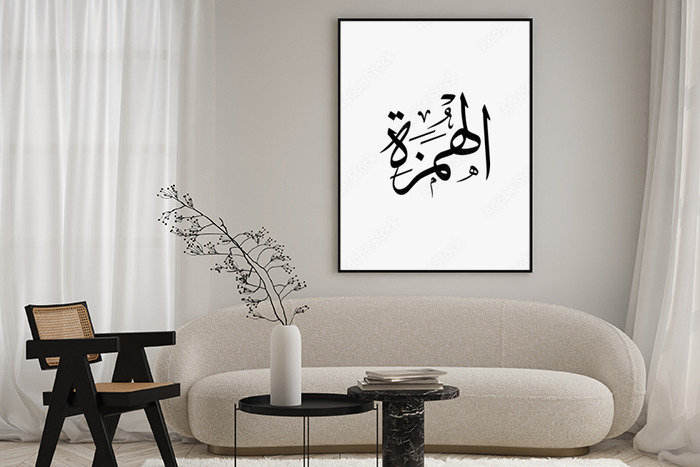
Rhetorical Perceptions in Surah Al-Humazah

This is a translation from Dr Fadhel Saleh Al-Samarra’i’s لَمَسات بَيانِيَّة لِسُوَر القُرْآن الكَرِيم ‘Rhetorical Perceptions in the Surahs of the Holy Qur’an.’ Dr Fadhel (b.1933) is a former Professor of Literature at the College of Arabic Language at the University of Sharjah. His full biography can be read here. Surah Al-Humazah وَيْلٌۭ لِّكُلِّ هُمَزَةٍۢ لُّمَزَةٍ Woe to every backbiter, slanderer, ٱلَّذِى جَمَعَ مَالًۭا وَعَدَّدَهُۥ who amasses wealth ˹greedily˺ and counts it ˹repeatedly˺, يَحْسَبُ أَنَّ مَالَهُۥٓ أَخْلَدَهُۥ thinking that their wealth will make them immortal! كَلَّا ۖ لَيُنۢبَذَنَّ فِى ٱلْحُطَمَةِ Not at all! Such a person will certainly be tossed into the Crusher. وَمَآ أَدْرَىٰكَ مَا ٱلْحُطَمَةُ And what will make you realize what the Crusher is? نَارُ ٱللَّهِ ٱلْمُوقَدَةُ ˹It is˺ Allah’s kindled Fire, ٱلَّتِى تَطَّلِعُ عَلَى ٱلْأَفْـِٔدَةِ which rages over the hearts. إِنَّهَا عَلَيْهِم مُّؤْصَدَةٌۭ It will be sealed over them, فِى عَمَدٍۢ مُّمَدَّدَةٍۭ ˹tightly secured˺ with long braces.  The Purpose of the Surah This is a Meccan surah that revolves around those who criticize people and slander (يَلْمُزُونَ) them, belittle them, and …

Rhetorical Perceptions in the Final 10 Chapters of the Qur’an

This is a translation from Dr Fadhel Saleh Al-Samarra’i’s لَمَسات بَيانِيَّة لِسُوَر القُرْآن الكَرِيم ‘Rhetorical Perceptions in the Surahs of the Holy Qur’an.’ Dr Fadhel (b.1933) is a former Professor of Literature at the College of Arabic Language at the University of Sharjah. His full biography can be read here. Dr Fadhel is a well-known Arabic linguist whose works give an insight in to the miraculous nature of Qur’anic Arabic, the only conclusion being that this Qur’an must have come from an unlimited, all-powerful creator, Allah (Most High). Some basic Arabic grammar is required to understand the concepts explained in Dr Fadhel’s book. There are many institutes, websites and YouTube channels which can assist in this. Roots of Knowledge and Al-Qalam Institute are two such resources I recommend. Surah Al-Fil أَلَمْ تَرَ كَيْفَ فَعَلَ رَبُّكَ بِأَصْحَـٰبِ ٱلْفِيلِ Have you not seen ˹O Prophet˺ how your Lord dealt with the Army of the Elephant? أَلَمْ يَجْعَلْ كَيْدَهُمْ فِى تَضْلِيلٍۢ Did He not frustrate their scheme? وَأَرْسَلَ عَلَيْهِمْ طَيْرًا أَبَابِيلَ For He sent against them flocks of …

Unlocking the secrets of Surah Al-Ikhlas

The Qur’an is the speech of Allah, the Creator and Originator of the universe and everything within. The miraculous nature of the Qur’an is in its language, because Qur’anic Arabic breaks the natural law of language in terms of its eloquence, beauty, rhetoric, structure, rhythm, rhyme, grammar, clarity and depth which is beyond the ability of the best poets and linguistics. Allah placed a challenge in the Qur’an that if anyone doubts this book is from Him, then produce one chapter (surah) like it in Arabic: وَإِن كُنتُم في رَيبٍ مِمّا نَزَّلنا عَلىٰ عَبدِنا فَأتوا بِسورَةٍ مِن مِثلِهِ وَادعوا شُهَداءَكُم مِن دونِ اللَّهِ إِن كُنتُم صادِقينَ “If you have doubts about what We have sent down to Our slave, produce another chapter equal to it, and call your witnesses, besides Allah, if you are telling the truth.”[1] No human being has ever met this challenge, and no one ever will. One aspect of Quranic Arabic is in its perfect word choice. The way the words are placed in the verses, and the similarity between them …

What is the meaning of “Hold fast to the rope of Allah”?

“Hold fast to the rope of Allah all together and do not be divided.”[1] This is an excerpt from Madārij al-Sālikīn ‘Ranks of the Divine Seekers,’ by Ibn Qayyim al-Jawziyya and translated by Ovamir Anjum.[2] The heart now arrives at the station of holding fast. It is of two types: holding on to God, and holding on to the rope of God. God says: “And hold on to the rope of God, all together, and be not divided” [3:103]; “And hold on to God, He is your protector—and what a good protector and what a good guarantor of victory” [22:78]. [The Arabic word for holding fast] al-iʿtiṣām is the iftiʿāl form of al-ʿiṣma, which is to hold on to what protects you and shields you from what is prohibited and feared. ʿIṣma is protection, and al-iʿtiṣām is to seek protection. This is why fortresses are called ʿawāṣim, since they guard and protect. Success in this world and the Hereafter depends on adherence to God and to His rope. There is no salvation without these two. …

Do not think that Allah is unaware of what the wrongdoers do

Allah ta’ala says,  وَلَا تَحْسَبَنَّ ٱللَّهَ غَـٰفِلًا عَمَّا يَعْمَلُ ٱلظَّـٰلِمُونَ ۚ إِنَّمَا يُؤَخِّرُهُمْ لِيَوْمٍۢ تَشْخَصُ فِيهِ ٱلْأَبْصَـٰرُ مُهْطِعِينَ مُقْنِعِى رُءُوسِهِمْ لَا يَرْتَدُّ إِلَيْهِمْ طَرْفُهُمْ ۖ وَأَفْـِٔدَتُهُمْ هَوَآءٌۭ Do not think ˹O Prophet˺ that Allah is unaware of what the wrongdoers do. He only delays them until a Day when ˹their˺ eyes will stare in horror—rushing forth, heads raised, never blinking, hearts void.[1]

Indeed, Allah’s help is ˹always˺ near.

Allah ta’ala says, أَمْ حَسِبْتُمْ أَن تَدْخُلُوا۟ ٱلْجَنَّةَ وَلَمَّا يَأْتِكُم مَّثَلُ ٱلَّذِينَ خَلَوْا۟ مِن قَبْلِكُم ۖ مَّسَّتْهُمُ ٱلْبَأْسَآءُ وَٱلضَّرَّآءُ وَزُلْزِلُوا۟ حَتَّىٰ يَقُولَ ٱلرَّسُولُ وَٱلَّذِينَ ءَامَنُوا۟ مَعَهُۥ مَتَىٰ نَصْرُ ٱللَّهِ ۗ أَلَآ إِنَّ نَصْرَ ٱللَّهِ قَرِيبٌۭ ٢١٤ Do you think you will be admitted into Paradise without being tested like those before you? They were afflicted with suffering and adversity and were so ˹violently˺ shaken that ˹even˺ the Messenger and the believers with him cried out, “When will Allah’s help come?” Indeed, Allah’s help is ˹always˺ near.[1] Sayyid Qutb comments on this ayah, “With these poignant and profound words, and in this direct manner, Allah addresses the founding community of Islam, drawing their attention to the experiences of their fellow believers before them who were entrusted with the same task of establishing the divine code of living on earth. Nevertheless, the message in these words is timeless. It is directed to all human groups to whom Allah assigns that honourable task. It is an awesome experience that drives Allah’s own Messenger and those who have accepted …

“Let there be an ummah among you who calls to good”: Is the ‘مِن’ partitive or explanatory?

In Surah Ali ‘Imran verse 104 Allah (ta’ala) says, وَلْتَكُن مِّنكُمْ أُمَّةٌۭ يَدْعُونَ إِلَى ٱلْخَيْرِ وَيَأْمُرُونَ بِٱلْمَعْرُوفِ وَيَنْهَوْنَ عَنِ ٱلْمُنكَرِ ۚ وَأُو۟لَـٰٓئِكَ هُمُ ٱلْمُفْلِحُونَ “Let there be a group (ummah) among you who call ˹others˺ to goodness, encourage what is good, and forbid what is evil—it is they who will be successful.”[1] In this translation by Dr. Mustafa Khattab, أُمَّةٌ (ummah) is translated as group, so the command is to establish a group or groups[2] who perform the three duties of calling to good (al-khair), enjoining good (al-ma’ruf) and forbidding evil (al-munkar). In another translation by Abdul Haleem it says, “Be an ummah that calls for what is good, urges what is right, and forbids what is wrong: those who do this are the successful ones.”[3] Here the meaning of the command is for the entire Muslim ummah to perform the three duties not just a group of them. Why is there a difference in meaning? The reason for the difference in meaning is due to the particle مِن at the beginning of the verse …

What is the meaning of the verse: “Those who do not rule by what Allah has sent down, such people are disbelievers”?

There are many verses in the Holy Qur’an which oblige Muslims to judge and rule by the sharia. Three of these verses contain commands which are identical except for their endings, which is why the mufasireen (interpreters of the Qur’an) linked them together. Allah (ta’ala) says in Surah al-Ma’ida verses 44, 45 and 47, وَمَنْ لَمْ يَحْكُمْ بِمَا أَنْزَلَ اللَّهُ فَأُولَٰئِكَ هُمُ الْكَافِرُونَ “Those who do not judge/rule by what Allah has sent down, such people are disbelievers (kafirun).”[1] وَمَنْ لَمْ يَحْكُمْ بِمَا أَنْزَلَ اللَّهُ فَأُولَٰئِكَ هُمُ الظَّالِمُونَ “Those who do not judge/rule by what Allah has sent down, such people are oppressors (dhalimun).”[2] وَمَنْ لَمْ يَحْكُمْ بِمَا أَنْزَلَ اللَّهُ فَأُولَٰئِكَ هُمُ الْفَاسِقُونَ “Those who do not judge/rule by what Allah has sent down, such people are deviators (fasiqun).”[3] These verses are political in nature, because they address the governments and judiciaries in the Muslim world, and so can be controversial to those academics and ulema who want to maintain the existing status quo, or aim to ‘reform’ Islam by secularising it and removing it …

Tafseer of Surah Quraish

The following is based on a translation of Dr Fadhel al Samarrai’s Tafseer of Surah Quraysh. Translation courtesy of Abu Yusuf. لِإِيلَافِ قُرَيْشٍ ﴿١﴾ إِيلَافِهِمْ رِحْلَةَ الشِّتَاءِ وَالصَّيْفِ ﴿٢﴾ فَلْيَعْبُدُوا رَبَّ هَٰذَا الْبَيْتِ ﴿٣﴾ الَّذِي أَطْعَمَهُم مِّن جُوعٍ وَآمَنَهُم مِّنْ خَوْفٍ (1) For the accustomed security of the Quraysh – (2) Their accustomed security [in] the caravan of winter and summer – (3) Let them worship the Lord of this House, (4) Who has fed them, [saving them] from hunger and made them safe, [saving them] from fear. Introduction The connection between this chapter and the chapter before, Sura Al-Fil, is obvious. The owners of the elephants (أَصْحَـٰبِ ٱلْفِيلِ) came to Makkah because of the house of Allah, the Ka’bah. Allah ﷻ preserved and honoured His house, and protected Quraysh by destroying the army of the elephants. He protected the house and provided security and well-being to the people of Quraysh. In Bahr Al-Muheet, Abu Hayan says: إذْ لَوْ سُلِّطَ عَلَيْهِمْ أصْحابُ الفِيلِ لَتَشَتَّتُوا في البِلادِ والأقالِيمِ، ولَمْ تَجْتَمِعْ لَهم كَلِمَةٌ البحر المحيط لأبي حيان — …

The Global Vision of the Early Muslims

BY ABU YUSUF الٓمٓ  غُلِبَتِ ٱلرُّومُ “Alif Lam Mim. The Romans have been defeated” (Ar-Rum, 30:1-2) Most commentators of the Qur’an when explaining this verse mention that the Muslims were hoping for the Romans to be victorious over the Persians, because the Romans were people of the Book whereas the Persians were mushrikeen like Quraish.