All posts filed under: Infographics

INFOGRAPHIC: Structure of the Islamic State

The Islamic State (al-dowlah al-Islamiyyah الدولة الإسلامية) consists of a distinct form (shakl شَكْل) and structure (tanzeem تَنْظِيم) of government that is unlike any other ruling system. It is unique in terms of the foundations (usul أُصُول) upon which it is built, and the principles (qawa’id قَواعِد) which underpin its institutions (ajhizah أَجْهِزَة) and systems (anzimah أَنْظِمَة). Abdul-Qadeem Zallum says, “The Islamic ruling system is distinct from all other existing ruling systems in the world. It is unique in terms of the basis upon which it is built. As a result it is distinct in the thoughts, concepts, criteria and laws by which it looks after the affairs, the constitution and laws which it implements and executes, and in the shape by which the state is represented and distinguished from all other shapes of ruling in the whole world.”[1] Having said this, the Islamic ruling system will inevitably share characteristics with other forms of government, since the top-level institutions such as having a ruler, judiciary, military, police, executive departments and so forth are the same …

INFOGRAPHIC: Expansion of the Islamic State

An infographic depicting the expansion of the Islamic state from 622 -750CE, 1-132AH. Please note that square miles in the infographic are an approximation and for illustrative purposes only. Even if accurate figures were available this would not change the line graph. The main points to note from this infographic are as follows. Allah refers to the Treaty of Hudaibiyah which was signed in 6AH as a ‘clear victory’. إِنَّا فَتَحْنَا لَكَ فَتْحًا مُّبِينًا “Indeed, We have granted you a clear victory” (Al-Fath, 48:1) After the signing of this treaty with Quraish the Islamic conquests took off until the entire Arabian Peninsula was under Islamic rule within a few years. 2. When Abu Bakr was elected Caliph, the majority of the Arab tribes had apostatised or rebelled against the Islamic State. Abu Bakr then launched a campaign to bring all the rebellious regions back under Islamic rule. After the Ridda Wars the army was redeployed to start the expansion in to Iraq and Syria. This is why Abu Hurairah said, “By the One Whom there …

INFOGRAPHIC: Military Expeditions of the Prophet ﷺ

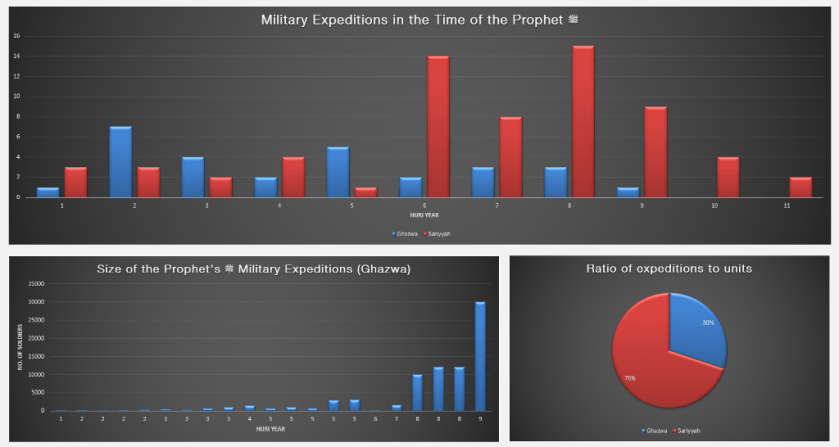
The Prophet Muhammad ﷺ established the first Islamic State in Medina with a distinct structure (ajhizaat) that continued with its pillars until 1924. The main elements (jihaz) of this structure must be implemented because they are hukm shari and not styles (usloob) or means (waseela). We can see from the seerah how the Messenger ﷺ trained the sahaba in all aspects of ruling so they could continue on this method after his ﷺ death. The army is one of the jihaz or organisations of the state. The Messenger ﷺ was the commander-in-chief so he organised the army and appointed all its commanders. He ﷺ led many of the battles directly which are known as a ghazwa while also appointing commanders of other units known as a sariya. The graphics below provide an insight in to this organisation and some key observations will be made at the end.

Death of Prophet Muhammad ﷺ: A timeline of events

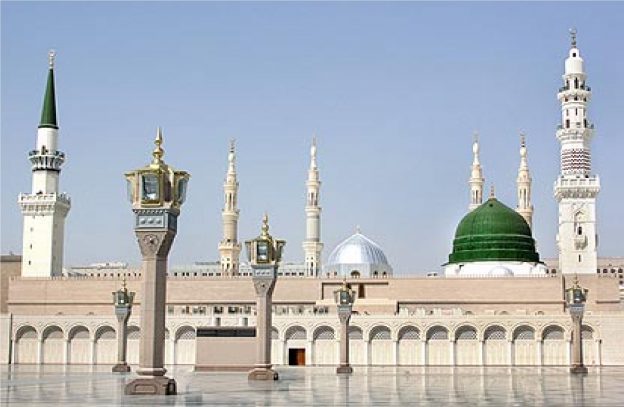
There is no dispute that the burial of Prophet Muhammad ﷺ, the best man who ever lived and greatest of all the prophets, was delayed. However, confusion may arise over the reasons for this delay and how to view the companions’s actions who collectively consented to this delay. This question is discussed in detail in the article Why was Prophet Muhammad’s ﷺ burial delayed?

INFOGRAPHIC: Administrative Divisions of the Caliphate

The vast territories which the Islamic State rules over are divided up in to administrative units to ease in the task of ruling. These units were formalised during the Abbasid period but their origins are from the time of the Prophet ﷺ and the Rightly Guided Caliphs. The top level division is The Province (Wiliyah) which is headed by a Governor (Wali) or Emir. The Province is divided in to Districts (I’mala) which are headed by a Mayor (‘Amil) or Hakim. The District is sub-divided in to Cities (Qasabah) headed by a Chief Executive (Mudeer). The City is further divided in to Neighbourhoods or Quarters (Hayy) each headed by a Director (Mudeer). Traditionally a Neighbourhood consisted of 40 houses. The Ottomans used different titles for each of the administrative levels and these are shown below.

INFOGRAPHIC: Ages of the Caliphs

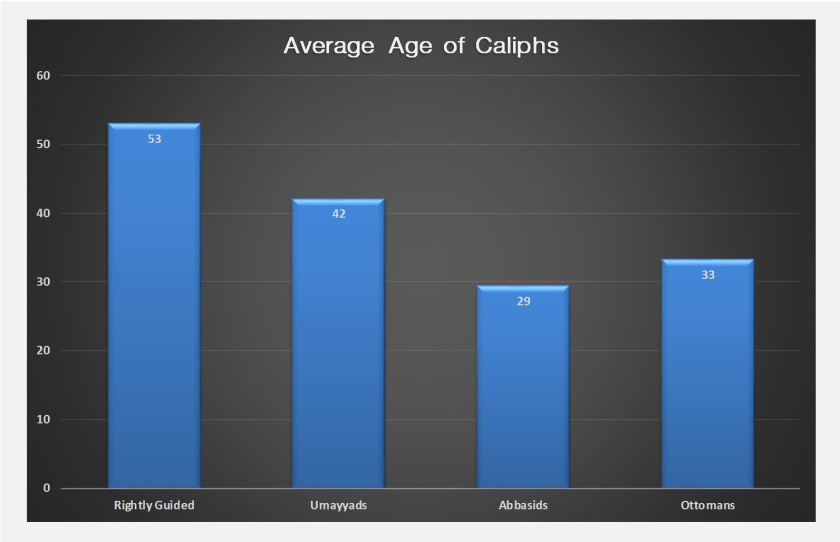
During the Rightly Guided Caliphate all the Caliphs were selected freely by those who represented the opinion of the Muslims. They were given the Bay’ah (Pledge of Allegiance) on the basis of meritocracy and each of them had huge political experience. Abu Bakr, Umar, Uthman and Ali had all held the position of Wazir (Delegated Assistant) which is the highest government position after the Caliph. When we look to their ages we see they were all elder statesman (excluding Hasan who became Caliph during the civil war).