

Who’s Killing Civilians in Syria?
The above image is posted courtesy of http://whoiskillingciviliansinsyria.org
The above image is posted courtesy of http://whoiskillingciviliansinsyria.org

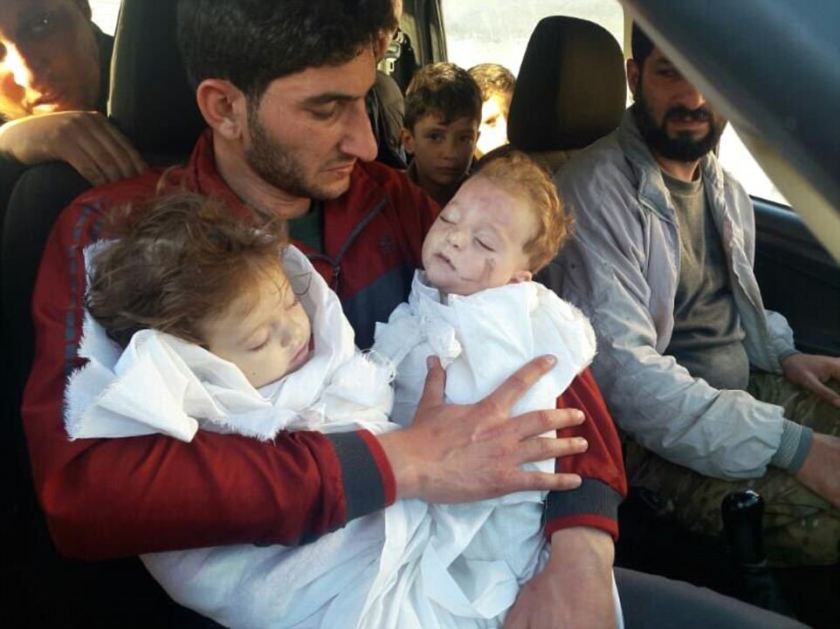
At least 29 people have been killed in a blast inside the Coptic church of Marjeres in the Egyptian city of Tanta. A second blast later at a church in Alexandria killed 18 more. This is not the first bombing of Copts in recent years. Back in January 2011 another Egyptian church was bombed in Alexandria. In response we published an article Egypt’s Copts need the Caliphate which covered a number of points related to how Islam orders the good treatment of dhimmi (non-Muslim citizens of an Islamic State) and prescribes severe punishment for those who harm them.
وَمَا نَقَمُوا مِنْهُمْ إِلاَّ أَن يُؤْمِنُوا بِاللَّهِ الْعَزِيزِ الْحَمِيدِ “The only reason they punished them was because they had iman in Allah, the Almighty, the All-Praiseworthy” (Al-Buruj: 8)
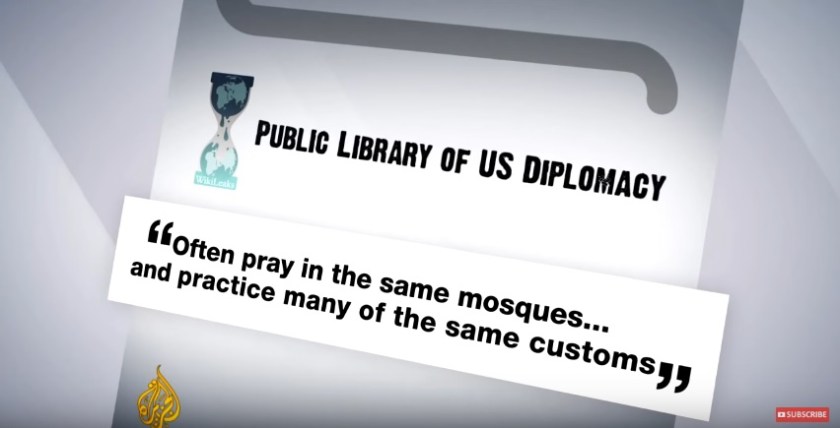
What is driving the current violence and chaos in the Middle East? Many say it is the “age-old” sectarian conflict between Sunni and Shia Muslims, but a look at the facts shows something different. In this week’s Reality Check, Mehdi Hasan highlights the myth of the so-called Sunni-Shia war.

In addition to the institutionalised mechanisms of accountability discussed so far, Islam also ordered the establishment of political parties. Although members of the government will in many cases be members of political parties the Caliphate does not have a party system of ruling as found in western democracies.
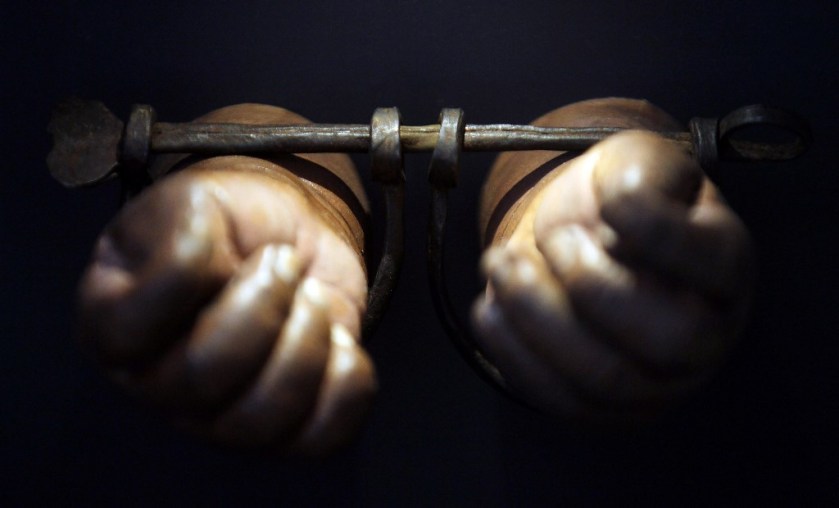
Slavery does not exist today and a future Caliphate would not attempt to re-introduce it as some misguided people have claimed. Prophet Muhammad ﷺ came to free human beings from slavery to other human beings, so they become slaves of Allah alone. The Prophet ﷺ said: أَيُّمَا رَجُلٍ أَعْتَقَ امْرَأً مُسْلِمًا اسْتَنْقَذَ اللَّهُ بِكُلِّ عُضْوٍ مِنْهُ عُضْوًا مِنْهُ مِنَ النَّارِ “Whichever man frees a Muslim man, Allah ta’ala will liberate for each of his organ an organ from the Fire.” (Agreed Upon)

يَا أَيُّهَا الَّذِينَ آمَنُوا أَطِيعُوا اللَّـهَ وَأَطِيعُوا الرَّسُولَ وَأُولِي الْأَمْرِ مِنكُمْ ۖ فَإِن تَنَازَعْتُمْ فِي شَيْءٍ فَرُدُّوهُ إِلَى اللَّـهِ وَالرَّسُولِ إِن كُنتُمْ تُؤْمِنُونَ بِاللَّـهِ وَالْيَوْمِ الْآخِرِ ۚ ذَٰلِكَ خَيْرٌ وَأَحْسَنُ تَأْوِيلًا “O you who have believed, obey Allah and obey the Messenger and those in authority among you. And if you disagree over anything, refer it to Allah and the Messenger, if you should believe in Allah and the Last Day. That is the best [way] and best in result.” (An-Nisaa, 4:59)

In June 2014, an armed group calling itself the Islamic State in Iraq and the Levant (known as ISIL or ISIS) declared the establishment of a caliphate and proclaimed its leader, Abu Bakr al-Baghdadi, a caliph. This proclamation was rejected by the overwhelming majority of the world’s Muslims.

The Caliphate’s judiciary is responsible for issuing judgments that are enforced by the state. It settles disputes between people, prevents whatever may harm the rights of the community and also settles disputes between people and any person who is part of the government whether this is the Caliph, his cabinet, civil servants or any other official.1

This is a common claim found in the history books of the orientalists such as Sir William Muir who wrote many books on the history of the Caliphate and Sir Hamilton Gibb who is famous for translating ibn Batuta’s travel books. These books are on the reading lists of most Arabic degrees at western institutions such as SOAS where Gibb did his MA in Arabic in 1922.
 Islamic Civilization