All posts filed under: Ruling

Media in the Caliphate

The media has always played a pivotal role in accounting governments and shaping public opinion. Its form may have evolved over the ages but its impact is still feared by the ruling class which the Qur’an refers to as the mala (ملا). All the messengers came in to conflict with this group starting from the first of the messengers Nuh (as). Allah ta’ala says, لَقَدْ أَرْسَلْنَا نُوحًا إِلَىٰ قَوْمِهِۦ فَقَالَ يَـٰقَوْمِ ٱعْبُدُوا۟ ٱللَّهَ مَا لَكُم مِّنْ إِلَـٰهٍ غَيْرُهُۥٓ إِنِّىٓ أَخَافُ عَلَيْكُمْ عَذَابَ يَوْمٍ عَظِيمٍۢ قَالَ ٱلْمَلَأُ مِن قَوْمِهِۦٓ إِنَّا لَنَرَىٰكَ فِى ضَلَـٰلٍۢ مُّبِينٍۢ “Indeed, We sent Noah to his people. He said, “O my people! Worship Allah—you have no other god except Him. I truly fear for you the torment of a tremendous Day.” But the chiefs of his people (mala) said, “We surely see that you are clearly misguided.”[1] When the Prophet Muhammad ﷺ began his mission in Makkah it was this ruling class that immediately clamped down on him and the early Muslims to prevent the spread of the message. Tyrant governments across …

INFOGRAPHIC: The Islamic State of the Prophet Muhammad ﷺ

This infographic depicts the institutions (ajhizat) of the first Islamic State in Medina ruled by the Prophet Muhammad ﷺ. Allah (Most High) has guided human beings in all aspects of life including ruling, politics and economics. As with all Islamic rules the general rules are detailed in the Holy Qur’an and the fine details are specified in the sunnah of the Prophet Muhammad ﷺ, the best example that we are obliged to follow.

Political Parties in Islam

In addition to the institutionalised mechanisms of accountability discussed so far, Islam also ordered the establishment of political parties. Although members of the government will in many cases be members of political parties the Caliphate does not have a party system of ruling as found in western democracies.

Ayah Reflection: “O you who believe, obey Allah and obey the Messenger and those in authority among you.”

يَا أَيُّهَا الَّذِينَ آمَنُوا أَطِيعُوا اللَّـهَ وَأَطِيعُوا الرَّسُولَ وَأُولِي الْأَمْرِ مِنكُمْ ۖ فَإِن تَنَازَعْتُمْ فِي شَيْءٍ فَرُدُّوهُ إِلَى اللَّـهِ وَالرَّسُولِ إِن كُنتُمْ تُؤْمِنُونَ بِاللَّـهِ وَالْيَوْمِ الْآخِرِ ۚ ذَٰلِكَ خَيْرٌ وَأَحْسَنُ تَأْوِيلًا “O you who have believed, obey Allah and obey the Messenger and those in authority among you. And if you disagree over anything, refer it to Allah and the Messenger, if you should believe in Allah and the Last Day. That is the best [way] and best in result.” (An-Nisaa, 4:59)

The Caliphate’s Judiciary

The Caliphate’s judiciary is responsible for issuing judgments that are enforced by the state. It settles disputes between people, prevents whatever may harm the rights of the community and also settles disputes between people and any person who is part of the government whether this is the Caliph, his cabinet, civil servants or any other official.1

Executive Branch of the Caliphate

Executive powers of the Caliph The executive branch of government is responsible for the day-to-day management of the state. Islam does not believe in collective ruling where the executive powers are shared among a cabinet of ministers. In parliamentary democracy the Prime Minister is ‘first among equals’, having limited powers of interference in his cabinet minister’s departments. Sharing executive power among government ministers with separate portfolios (departments) leads to immense bureaucracy and lengthy delays in resolutions to problems. It also leads to political infighting and rivalry between government departments. Normally the head of the treasury emerges as the second most powerful minister since he must approve the budgets for all other departments which he can use to wield political influence. Tony Blair and Gordon Brown’s fractious relationship in the UK is an example of this.

Who will fill the government posts in a future Caliphate and from where in society will they be selected from?

In answer to this there are two factors that need to be considered for someone to be suitable for a ruling position in the Caliphate – capability and strength of ideology. Capability to Rule Capability in carrying out the task of ruling is an explicit shar’i (Iegal) condition for the Caliph, Assistants (mu’awinoon) and the governors (wulah).

How much will the Caliph get paid?

In most Muslim countries today the ruler and his extended family are some of the wealthiest individuals in the nation and in some instances even the world. According to the official 2006 Forbes rich list of world leaders, the top three richest leaders are in Muslim countries.

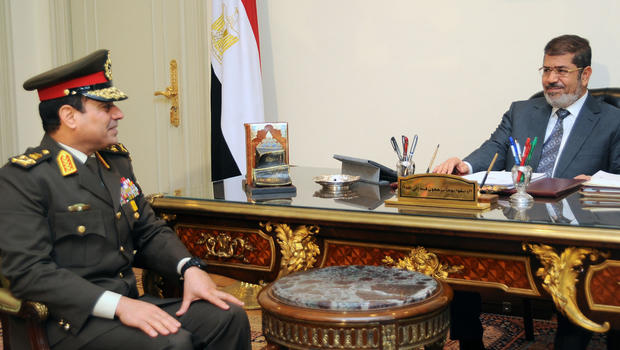
Could the Caliph be removed in a coup as happened to Morsi in Egypt?

There are three reasons the Caliph cannot be removed by the army in a Caliphate. 1- The army is cultured in the Islamic ideology which it works to protect and propagate. Islam is the sole reason for its existence and what gives it motivation and life.  يَا أَيُّهَا الَّذِينَ آمَنُوا اسْتَجِيبُوا لِلَّهِ وَلِلرَّسُولِ إِذَا دَعَاكُمْ لِمَا يُحْيِيكُمْ “O you who believe! Respond to Allah and to the Messenger when He calls you to what will bring you to life!” (Al-Anfaal, 8:24)