Author: islamciv

“Those who disbelieve should not imagine that the extra time We grant to them is good for them.”

وَلَا يَحْسَبَنَّ الَّذِينَ كَفَرُوا أَنَّمَا نُمْلِي لَهُمْ خَيْرٌ لِأَنْفُسِهِمْ ۚ إِنَّمَا نُمْلِي لَهُمْ لِيَزْدَادُوا إِثْمًا ۚ وَلَهُمْ عَذَابٌ مُهِينٌ “Those who disbelieve should not imagine that the extra time We grant to them is good for them. We only allow them more time so they will increase in evildoing. They will have a humiliating punishment.” (Al-Imran, 3:178)

Ayah Reflection: “O you who believe, obey Allah and obey the Messenger and those in authority among you.”

يَا أَيُّهَا الَّذِينَ آمَنُوا أَطِيعُوا اللَّـهَ وَأَطِيعُوا الرَّسُولَ وَأُولِي الْأَمْرِ مِنكُمْ ۖ فَإِن تَنَازَعْتُمْ فِي شَيْءٍ فَرُدُّوهُ إِلَى اللَّـهِ وَالرَّسُولِ إِن كُنتُمْ تُؤْمِنُونَ بِاللَّـهِ وَالْيَوْمِ الْآخِرِ ۚ ذَٰلِكَ خَيْرٌ وَأَحْسَنُ تَأْوِيلًا “O you who have believed, obey Allah and obey the Messenger and those in authority among you. And if you disagree over anything, refer it to Allah and the Messenger, if you should believe in Allah and the Last Day. That is the best [way] and best in result.” (An-Nisaa, 4:59)

The Caliph Documentary on Al-Jazeera

In June 2014, an armed group calling itself the Islamic State in Iraq and the Levant (known as ISIL or ISIS) declared the establishment of a caliphate and proclaimed its leader, Abu Bakr al-Baghdadi, a caliph. This proclamation was rejected by the overwhelming majority of the world’s Muslims.

Salman Al-Farsi’s quest to find the truth of Islam

Introduction Allah سبحانه وتعالى says: “If he (My servant) makes mention of Me within himself, I make mention of him within Myself; and if he makes mention of Me in an assembly, I make mention of him in an assembly better than it. And if he draws near to Me a hand span, I draw near to him an arm’s length; and if he draws near to Me an arm’s length, I draw near to him a fathom’s length. And if he comes to Me walking, I come to him running.” (Muslim)

The Caliphate’s Judiciary

The Caliphate’s judiciary is responsible for issuing judgments that are enforced by the state. It settles disputes between people, prevents whatever may harm the rights of the community and also settles disputes between people and any person who is part of the government whether this is the Caliph, his cabinet, civil servants or any other official.1

Executive Branch of the Caliphate

Executive powers of the Caliph The executive branch of government is responsible for the day-to-day management of the state. Islam does not believe in collective ruling where the executive powers are shared among a cabinet of ministers. In parliamentary democracy the Prime Minister is ‘first among equals’, having limited powers of interference in his cabinet minister’s departments. Sharing executive power among government ministers with separate portfolios (departments) leads to immense bureaucracy and lengthy delays in resolutions to problems. It also leads to political infighting and rivalry between government departments. Normally the head of the treasury emerges as the second most powerful minister since he must approve the budgets for all other departments which he can use to wield political influence. Tony Blair and Gordon Brown’s fractious relationship in the UK is an example of this.

TIME Archive: News of the last Caliphate

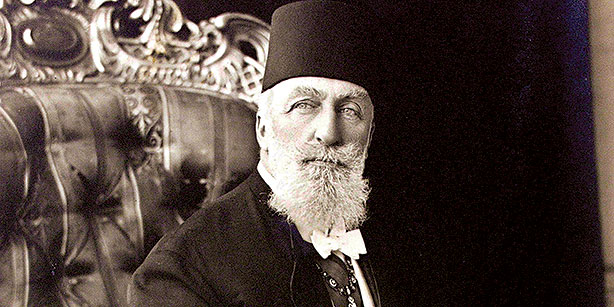
Photograph of the last Caliph – Abdul-Mejid II As the anniversary of the destruction of the Caliphate approaches, Muslims must never forget this dark day in history that led to the removal of Islam and sharia from authority and ruling. Monday 3rd March 1924 was the official date of the Caliphate’s abolishment according to the western Gregorian calendar.