Author: islamciv

The Khilafah and the Indian Subcontinent

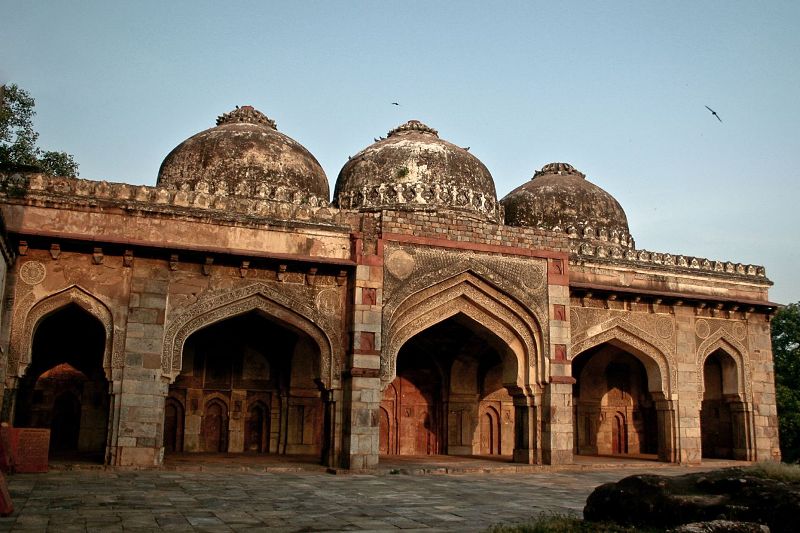
BY ABU ISMAEL AL-BEIRAWI This article has been reproduced from Islamic Revival. After yet another anniversary of the abolishment of the Khilafah state it is important for us to reflect upon its history and the reaction of the Muslims towards its demise and eventual destruction. It is assumed by some that the Muslims and their scholars did not react to the call for the abolishment of Khilafah and that they did not realise its significance. This is untrue, history is a testament to the reaction of the Muslims, their struggle to maintain it and their pain at the eventual removal of the shade of Allah (swt) from the earth. The example of the Muslims of India and its renowned Khilafat Movement demonstrates this.

Prophet Muhammad’s ﷺ Impact on the World

This is an excerpt from the book The Divine Reality: God, Islam and the Mirage of Atheism by Hamza Andreas Tzortzis. The Prophet Muhammad ﷺ was truly a mercy to mankind. This assertion is not only justified by his message and his teachings, but it also includes his unprecedented impact on our world. There are two key reasons why his teachings on a social level were so transformative: the justice and compassion of Islam.

Muslims Feeding Migrants in Bosnia

Asim Latić, a restaurant owner in Velika Kladuša, a Bosnian border town with Croatia, said: “In February I saw a man standing in the street in the snow. I asked if he was hungry, and he said he didn’t have any money. “I said it didn’t matter and fed him. That guy texted his friends and the next day they came. More people came, and I had to close the restaurant. Since then, we’ve given out 68,000 meals.”

Jewish Immigration to the Islamic State

After the liberation of Constantinople by the Ottomans in 1453, Jewish refugees from all over Europe were encouraged to settle in the country and to take advantage of the liberal treatment accorded them by the Sultan. When the Ottoman Sultan Bayezid heard about the expulsion of the Jews from Spain by King Ferdinand, he said: “Can you call such a king wise and intelligent? He is impoverishing his country and enriching my kingdom.”

The Best of Martyrs

Among the teeming and terrified crowd of protesters in Cairo’s Tahrir Square in January 2011, a young man and an older man crouched huddled next to each other as bullets from the security services whizzed overhead. In the din, the two spoke of how the Prophet Muhammad had once declared that whoever dies speaking truth to a tyrant will die a martyr.[1] They spoke of the great martyrs of the Prophet’s day, who awaited those latter-day believers who would one day join them in Paradise. Seized by inspiration, the young man cried, “I will greet them for you,” stood up and was shot in the head. “I touched his blood with my hands,” the elder man, a famous Muslim preacher, it turns out, recounted later in a TV interview, “It smelled like perfumed musk.”[2]     Notes [1] Prophet Muhammad ﷺ said: “The master of the martyrs is Hamza ibn Abdul Mattalib, and a man who stands (in front of) an oppressive ruler and enjoins the good and forbids the evil and so is killed …

Ottoman Bosnia

Introduction The Ottoman Sultanate which later became the seat of the Caliphate in 1517 was by no means perfect. A decline in Islamic thought, weakness in the Arabic language and closing the doors of ijtihad all had an impact on the implementation of Islam across the state. Yet despite this, the Ottoman State remained an Islamic State, and its concepts, criteria and convictions were Islamic. Legislation and administrative laws (kanun) were based on sharia, even if this was a tenuous link in some cases due to the decline in ijtihad, such as the devshirme, hereditary bay’a and tanzimat reforms.

The Battle of Ain Jaloot wasn’t what ultimately stopped the Muslim world falling to the Mongols

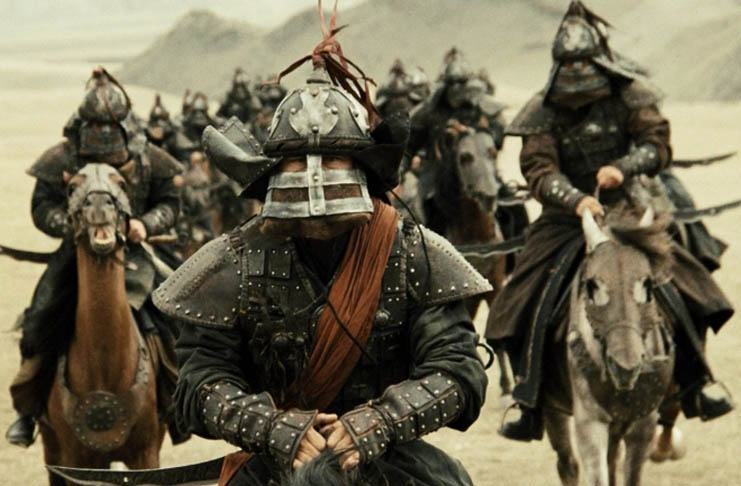
A tale of how Allah helps those who help themselves BY ABDULLAH AL ANDALUSI People often think the Battle of Ain Jaloot (1260CE) was a turning point in the invasion of the Mongols, and saved the rest of Muslim lands from destruction. However, this is not entirely true, the battle only delayed the Mongols, the truth, like most of history, is stranger than fiction. Above all the story offers us an interesting and recurring lesson – just when we think we have no hope of success in Allah’s cause, Allah gives those who remain steadfast supporting his deen, help from an unexpected quarter.

The Caliphate’s transition to the Gold Standard

BY FARUQ IBN QAYSR Introductory Remarks In his tract on monetary reform, John Maynard Keynes referred to gold as a barbarous relic, whose rigidity had fettered the world from economic freedom and prosperity. He spoke at a time when the Occident were suffering from macroeconomic anaemia and were yearning for a solution. In sheer desperation, fiat money became the drug that gave growth-addicts what they craved for in the short-run. However, years after its introduction, the fiat system has induced far more volatility than it sought to resolve. In truth, Keynes failed to realise that barbarity was a trait not of gold but of fiat, insofar as it has plagued the world with monetary anarchy. In fact, the very system he consigned to history has never been more relevant than it is today.