
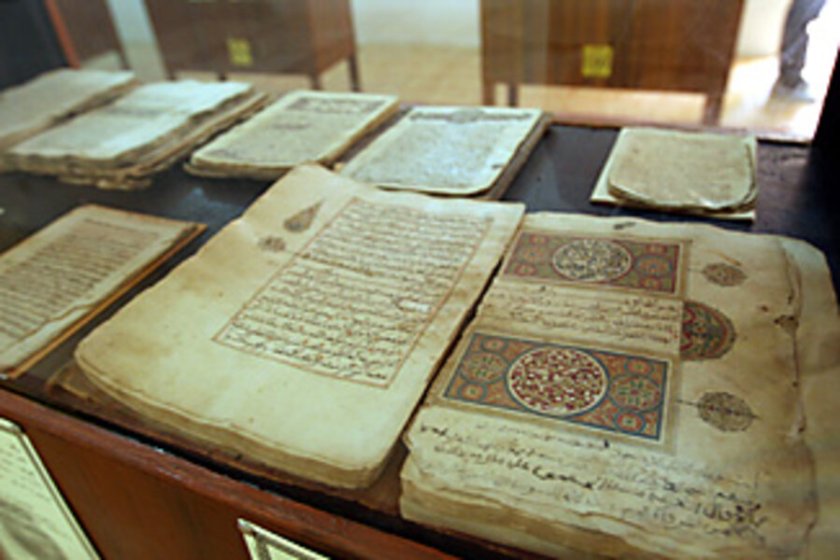
For centuries private households in Timbuktu have been preserving manuscripts detailing art, medicine, philosophy, and science, as well as copies of the Qur’an from the 13th century. These Timbuktu Manuscripts as they are officially known are said to number 700,000 and are the subject of many research projects by western universities and the UN.[1]
Africa under Islam
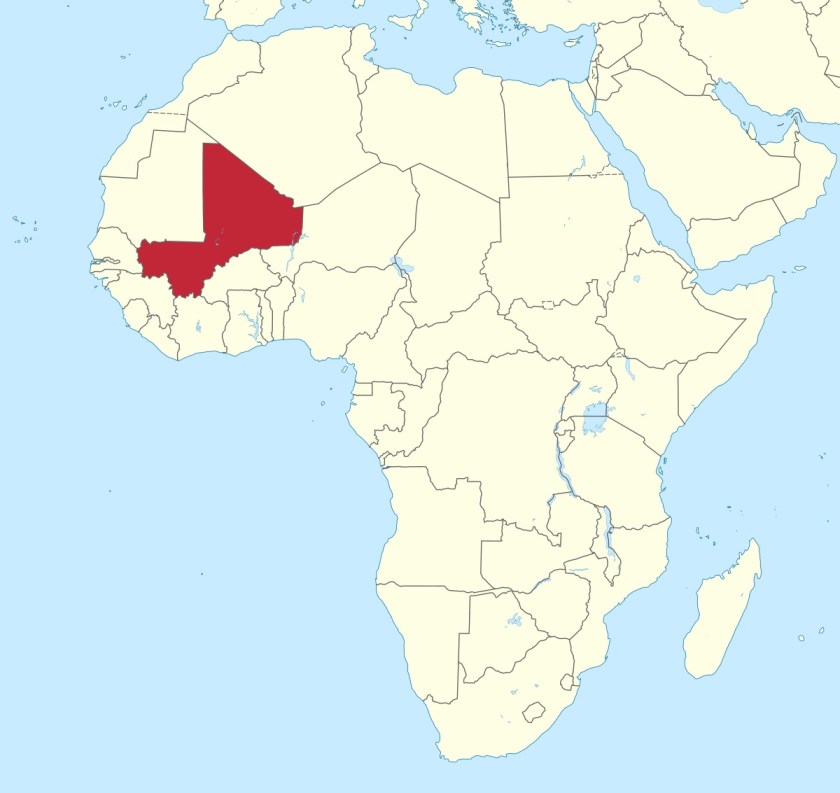
Timbuktu is in Mali. Today Mali is one of the poorest countries in the world but under Islam the Mali Sultanate was one of the richest countries on earth. Its wealth came from gold, copper and salt mines and the 14th century ruler of Mali was Mansa Musa who was one of the wealthiest people to ever live. When he performed hajj it is reported he give away 30 tonnes (£1.3billion) of gold causing a ten year gold recession in the cities of Cairo, Madinah, and Makkah.[2] [3]
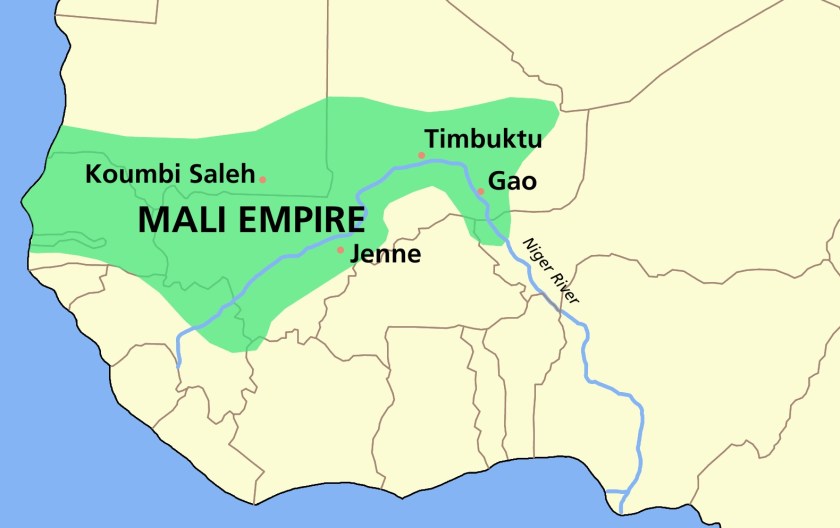
Mali was also a centre of Islamic learning. In the early 1400s, ‘Abd al-Rahman al-Tamimi, travelled to Timbuktu only to realize that the level of scholarship was so high, that he would have to go to Fez first to take prerequisite courses before he could study there.[4]
This shows that before the colonial era, the parts of Africa under Islamic rule were rich and its people highly educated. This is a far cry from the impoverished continent we see today and the claims of the colonial powers that they were ‘civilising the natives’.
Samuel Huntington says, “The West won the world not by the superiority of its ideas or values or religion (to which few members of other civilizations converted) but rather by its superiority in applying organized violence. Westerners often forget this fact; non-Westerners never do.”[5]
Notes
[1] https://www.theguardian.com/world/2013/jan/28/timbuktu-library-centuries-african-history
[2] A. J .H. Goodwin, “The Medieval Empire of Ghana”, South African Archaeological Bulletin, 1957, JSTOR, p.110 https://www.jstor.org/stable/3886971
[3] Firas alKhateeb, ‘Lost Islamic History,’ p.135
[4] Firas alKhateeb, ‘Lost Islamic History,’ p.136
[5] Samuel Huntington, ‘The Clash of Civilizations and the Remaking of World Order,’ p.51
 Islamic Civilization