
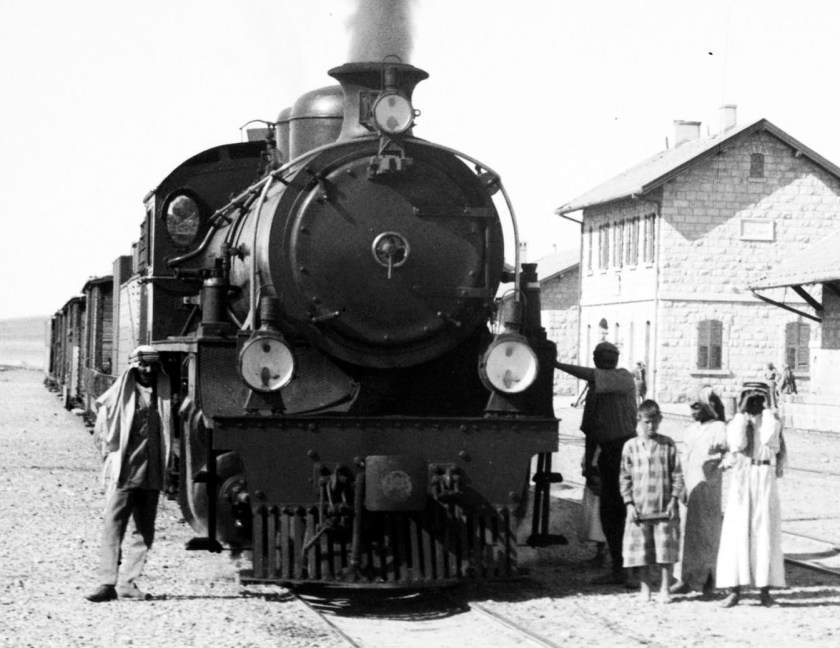
In 1908 a new railway opened from Damascus to Madinah for use by the pilgrims travelling for hajj.
Faced with growing disunity across the provinces of the Ottoman Khilafah, Sultan Abdul-Hamid II devised an ambitious plan to awaken the feelings of Islamic unity among the Ummah and strengthen the Khilafah’s authority over the Arab provinces by establishing a new railway for the pilgrims.
The project was started in 1900 and finally reached Madinah in 1908 when the railroad officially opened.
Before the Hejaz railway, the journey between Damascus and Madinah usually took two months by camel caravan and was full of hardships. Since the Islamic calendar is a lunar calendar, which moves each year, the hajj changes from season to season. Sometimes it meant travelling through the winter, enduring freezing temperatures or torrential rains. At the height of summer, it meant crossing scorching hot deserts. Towns and settlements were sparse and there were hostile tribes along the way.

With the introduction of the railway the journey time for pilgrims was cut from two months to four days. The arduous journey of travelling by camel through the desert was replaced with a few days travelling in comfort on the train. The cost of the journey was reduced from £40 to just £3.50 for a train ticket.[1]
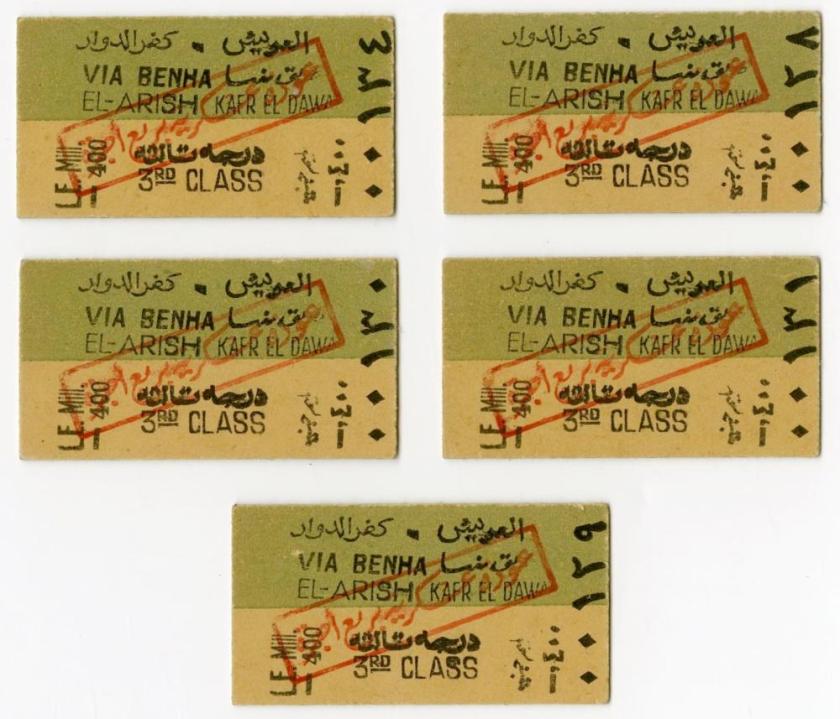
On 1 September 1908 the Hejaz railroad officially opened, and by the year 1912 it was transporting 30,000 pilgrims a year. As word spread that travelling for hajj was now quicker and easier more Muslims were able to perform the hajj. The pilgrims using the railway soared to 300,000 in 1914.
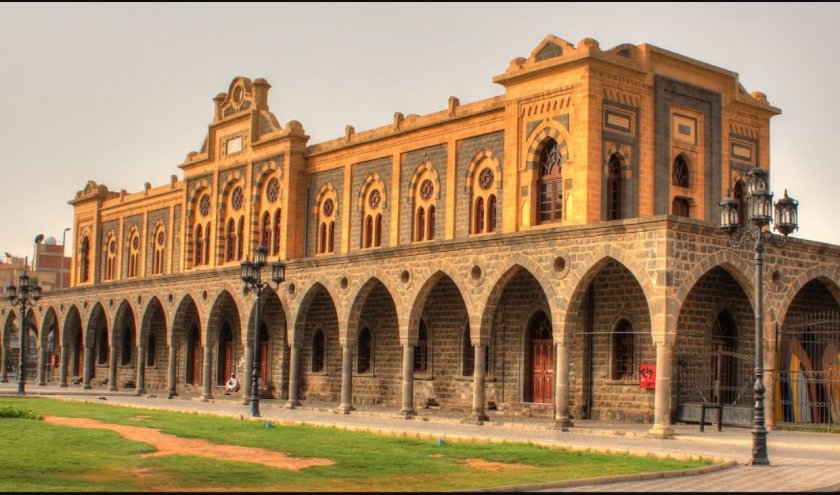
The Hejaz end of the railway was sabotaged during the Arab revolt led by Lawrence of Arabia and Sharif Hussein of Makkah, severing its link with Damascus. After the destruction of the Khilafah in 1924, and the carving up of the Arab lands under Sykes-Picot the possibility of such a unity project emerging ever again disappeared. All that remains today are some of the stations and locomotives as a reminder of this bygone era. Although the Hejaz railroad is now discarded to the pages of history it shows just what can be achieved when Muslims are united.
 Islamic Civilization