
- The 12 Naqibs
- Appointment of the Amirs at Mut’ah
- Three or more people need an Amir
- Al-Ḥārith ibn Abī Ḍirār – Leader of Banu al-Muṣṭaliq
- Malik ibn ‘Awf al-Nasri – Leader of Hawazin
- Urwah ibn Masud – Appointed governor of Ta’if
- Notes
The 12 Naqibs
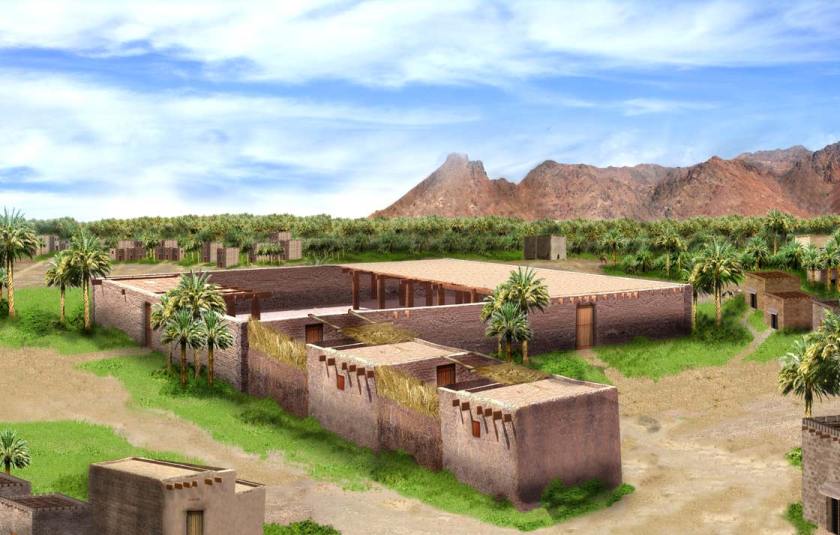
The Aws and Khazraj tribes whom Islam united together as the Ansar (helpers), were sub-divided into various clans who managed their own administrative affairs as devolved ‘mini-provinces’.
The chiefs of these clans were not appointed by the Prophet ﷺ, but rather ‘elected’ by the tribes themselves on his ﷺ orders. Ka’b ibn Malik narrates that the Prophet ﷺ said,
أَخْرِجُوا إلَيَّ مِنْكُمْ اثْنَيْ عَشَرَ نَقِيبًا، لِيَكُونُوا عَلَى قَوْمِهِمْ بِمَا فِيهِمْ. فَأَخْرَجُوا مِنْهُمْ اثْنَيْ عَشَرَ نَقِيبًا، تِسْعَةً مِنْ الْخَزْرَجِ، وَثَلَاثَةً مِنْ الْأَوْسِ.
أَسَمَاءُ النُّقَبَاءِ الِاثْنَيْ عَشَرَ وَتَمَامُ خَبَرِ الْعَقَبَةِ
“Bring out to me from among you twelve chiefs (naqibs), so that they may be in charge of their people and what is in them.” So they brought out from among them twelve chiefs, nine from the Khazraj, and three from the Aws.[1]
It is clear from the Sahifa and the command of the Prophet ﷺ: أَخْرِجُوا إلَيَّ مِنْكُمْ اثْنَيْ عَشَرَ نَقِيبًا، لِيَكُونُوا عَلَى قَوْمِهِمْ بِمَا فِيهِمْ “Bring out to me from among you twelve chiefs (naqibs), so that they may be in charge of their people and what is in them,” that these naqibs had full powers over their clans as indicated by the relative pronoun (مَا) which is ‘aam (general) and means “whatever”.
Since these naqibs were only amirs of a ‘neighbourhood’, their powers would exclude anything to do with policies related to the common security and well-being of the state such as taxation and military expeditions. The sub-tribes would assist in these common issues such as participation in the battles as the Sahifa constitution of Medina outlined, but they would have no autonomy to pursue their own agendas separate to that of the Prophet ﷺ.
Appointment of the Amirs at Mut’ah
In the Mut’ah military campaign, which was the first battle against the Byzantines and their Ghassanid proxy kingdom in Southern Ash-Sham, the Prophet ﷺ appointed Zaid ibn Haritha as the commander of the army. Due to the anticipated intensity of this battle against hardened Roman Centurions (Kentarches), he ﷺ also appointed the deputy commanders who would replace Zaid if he was martyred. He ﷺ said,
أمير الناس زيد بن حارثة. فإن قتل فجعفر بن أبي طالب. فإن قتل فعبد الله بن رواحة. فإن قتل فليرتض المسلمون بينهم رجلا فيجعلوه عليهم
“The Amir of the people is Zayd bin Haritha. If he is killed, then Ja’far ibn Abi Talib. If he is killed, then Abdullah ibn Rawahah. If he is killed, then let the Muslims choose (يَرْتَض yartad) a man from among themselves and make him their Amir.”[2]
People ‘elected’ Khalid ibn Al-Walid to be their Amir on the orders of the Commander in-Chief which was the Prophet ﷺ. In modern times, with professional armies and military ranks, there would be no need for ‘elections’ of the commander since the next in command by rank will take over if communication is lost with the overall commander of the expedition. In seventh century warfare and limited communication methods, this wasn’t possible hence the reason the Prophet ﷺ implemented this style.
Three or more people need an Amir
The Messenger of Allah ﷺ said:
وَلَا يَحِلُّ لِثَلَاثَةِ نَفَرٍ يَكُونُونَ بِأَرْضِ فَلَاةٍ إِلَّا أَمَّرُوا عَلَيْهِمْ أَحَدَهُمْ
“It is not permissible for three people to be in an open country (desert) without appointing one of them as their Amir.”[3]
The Messenger of Allah ﷺ said:
إِذَا خَرَجَ ثَلاَثَةٌ فِي سَفَرٍ فَلْيُؤَمِّرُوا أَحَدَهُمْ
“When three are on a journey, they should appoint one of them as their Amir.”[4]
Al-Ḥārith ibn Abī Ḍirār – Leader of Banu al-Muṣṭaliq
Al-Ḥārith ibn Abī Ḍirār, was the leader of Banu al-Muṣṭaliq. After the battle of al-Muraysī’ in 627CE (5 AH) against his tribe he was defeated and his daughter Juwayriyyah bint al-Ḥārith was taken as a captive. She married the Prophet ﷺ and her father Al-Ḥārith then accepted Islam and remained as the chief of Banu al-Muṣṭaliq, as a province under the central authority of the Prophet ﷺ in Medina.[5] In other words the Prophet ﷺ confirmed him in his position since he was already accepted by the tribe as their leader.
Malik ibn ‘Awf al-Nasri – Leader of Hawazin
The Battle of Hunain took place one month after the Conquest of Makkah against the tribes of Hawazin and Thaqif who inhabited the city of Ta’if and its surrounding areas.

Malik ibn ‘Awf, was one of the leaders of Hawazin and their commander at the Battle of Hunain. After he accepted Islam, the Messenger of Allah ﷺ appointed him (as an ‘amil) over those of his people who had converted to Islam, and those tribes were: Thumala, Salamah and Fahm.”[6] Again he was confirmed in his position as leader over his people.
Urwah ibn Masud – Appointed governor of Ta’if
Although much of the Hawazin tribe converted to Islam after Hunain, Banu Thaqif remained in the walled city of Ta’if. The Prophet ﷺ laid siege to the city but in the end he and the Muslims had no way to penetrate the walls and so ended the siege. The next year (9AH) in the year of delegations, Thaqif came to Medina voluntarily led by Abd Yalil ibn Amr, who was one of the three brothers in charge of Ta’if when the Prophet ﷺ came to the city to call them to Islam during the Makkan phase, and where he was publicly humiliated and stoned by the city’s youth.
Abd Yalil ibn Amr after much debate with the Prophet ﷺ eventually accepted Islam, but he was not reappointed as the governor of Ta’if due to his unsuitability for the role. Instead, it was another member of the delegation Urwah ibn Masud, who was an influential in the tribe and the delegation’s guard[7] who became the governor.[8] Urwah was eager to embrace Islam and learn the religion unlike the reluctance and argumentation of Abd Yalil ibn Amr. Therefore, although elected governors are permitted, the head of state still holds the executive power of dismissing them or not confirming their appointment if the population of the province face harm from them. The Prophet ﷺ said:
لاَ ضَرَرَ وَلاَ ضِرَارَ “There is no harm and reciprocating harm.”[9]
Notes
[1] Ibn Hisham, narrated by Ka’b ibn Malik, https://shamela.ws/book/23833/466
[2] Ibn Sa’d, Tabaqat, https://shamela.ws/book/1686/486#p1
[3] Musnad Ahmed 6647, https://shamela.ws/book/25794/5118
[4] Sunan Abi Dawud 2608, https://sunnah.com/abudawud:2608
[5] Musnad Ahmed, https://shamela.ws/book/25794/14978
[6] Ibn Hisham, https://shamela.ws/book/23833/1228
[7] Dr Ali Muhammad As-Sallabi, ‘The Noble Life of the Prophet ﷺ,’ p.1898
[8] Ibid, p.1903
[9] Al-Muwatta, https://sunnah.com/urn/514340
 Islamic Civilization