
This is based on an excerpt from the book Questions on Kingship, by Professor Muḥammad al-Mas’ari produced by the Renascence Foundation.
It seems that Allah mentions kings and kingship in the Qur’an in a positive way, saying they are a ni’mah (blessing) or a divine favour. For example, Allah says,
وَإِذْ قَالَ مُوسَىٰ لِقَوْمِهِۦ يَـٰقَوْمِ ٱذْكُرُوا۟ نِعْمَةَ ٱللَّهِ عَلَيْكُمْ إِذْ جَعَلَ فِيكُمْ أَنۢبِيَآءَ وَجَعَلَكُم مُّلُوكًۭا وَءَاتَىٰكُم مَّا لَمْ يُؤْتِ أَحَدًۭا مِّنَ ٱلْعَـٰلَمِينَ
And ˹remember˺ when Moses said to his people, “O my people! Remember Allah’s favours upon you when He raised prophets from among you, made you kings and gave you what He had never given anyone in the world.”[1]
Does this mean Islam has approved of kingship and monarchy as some modern jurists have said, and hence the Caliphate could be considered a monarchical form of government?
Sheikh al-Mas’ari says,
It may be of assistance to begin the answer to this question with reference to the meaning of the words مُلْك mulk, مَلِك malik and مُلُوك muluk. Broadly speaking, the first meaning (mulk) relates to sulṭān (authority) in general. As is found in relation to what Allah said in Surah Yusuf:
رَبِّ قَدْ ءَاتَيْتَنِى مِنَ ٱلْمُلْكِ وَعَلَّمْتَنِى مِن تَأْوِيلِ ٱلْأَحَادِيثِ ۚ فَاطِرَ ٱلسَّمَـٰوَٰتِ وَٱلْأَرْضِ أَنتَ وَلِىِّۦ فِى ٱلدُّنْيَا وَٱلْـَٔاخِرَةِ ۖ تَوَفَّنِى مُسْلِمًۭا وَأَلْحِقْنِى بِٱلصَّـٰلِحِينَ
My Lord, You have given me [something] of sovereignty and taught me of the interpretation of dreams. Creator of the heavens and earth, You are my protector in this world and the Hereafter. Cause me to die a Muslim and join me with the righteous.[2]
By necessity we know that this was ‘authority’ or dominion as referred to in the verse is in a broad sense, regardless of how it was arrived at or exercised in practise. Yusuf (peace be upon him) was not the king of Egypt, this position was already occupied by a hereditary monarch. It is this monarch which conferred upon Yusuf the position of being a chief minister.
The second meaning (malik) relates to the technical meaning which specifically relates to the current matter under discussion – namely as the head of state (ra’is ad-dawla) which is inherited – usually by father to son – and situated as head of state.
A third meaning (muluk) can be elicited as relating to the free man and that of his possessions in terms of wealth and estate. It is in this context that the verse you have cited appears and not – as can be seen from the discussion below – as construing that Allah has favoured or legislated monarchy / hereditary kingship. The verse as it appears in Surah al-Mā’idah is as follows:
وَإِذْ قَالَ مُوسَىٰ لِقَوْمِهِۦ يَـٰقَوْمِ ٱذْكُرُوا۟ نِعْمَةَ ٱللَّهِ عَلَيْكُمْ إِذْ جَعَلَ فِيكُمْ أَنۢبِيَآءَ وَجَعَلَكُم مُّلُوكًۭا وَءَاتَىٰكُم مَّا لَمْ يُؤْتِ أَحَدًۭا مِّنَ ٱلْعَـٰلَمِينَ
And ˹remember˺ when Moses said to his people, “O my people! Remember Allah’s favours upon you when He raised prophets from among you, made you kings and gave you what He had never given anyone in the world.”[3]
When read in full it doesn’t appear that the verse purports to show Allah talking about kingship, or to be more precise hereditary monarchy or the monarchical system of governance as being blessed. This is not actually correct as the full verse demonstrates.
Moreover, the wording in the verse is significant [وَجَعَلَكُم مُّلُوكًا]; the verb [ جَعَلَ ] being attached to [كُم] which is the second person pronoun ‘you/your’ in plural form. Hence the verse reads in full, when taking account of the grammatical point – “made all of you kings”. Again, that is a far cry from any assertion that Allah is speaking in this verse as being in favour of a monarchical system of governance.
To further exemplify this point and the meaning intended by the verse, it is important to consider the various commentaries upon this which have reached us by the classical exegetes. Writing in his acclaimed Tafsir Imām aṭ-Ṭabari presents a large number of narratives, a selection of which is presented in full here with the quoted isnāds, concerning the portion of the verse where it says and “made you kings”:
حدثنا بشر قال: حدثنا يزيد قال: حدثنا سعيد عن قتادة قوله وَإِذْ قَالَ مُوسَىٰ لِقَوْمِهِ يَا قَوْمِ اذْكُرُوا نِعْمَة ا ه للَّ عَلَيْكُمْ إِذْ جَعَلَ فِيكُمْ أَن بِيَاءَ وَجَعَلَكُم مُّلُوكًا قال: كنا نحدث أنهم أول من سخر لهم الخدم من بني آدم وملكوا وقال آخرون: كل من ملك بيتا وخادما وامرأة فهو “ملك” كائنا من كان من الناس
Bishr narrated to us he said Yazeed narrated to us he said Sa’eed narrated to us from Qatāda regarding his statement – “And when Musa said to his people: O my people! Remember the favour of Allah upon you when He raised Prophets among you and made you kings” – he said – “We were the first to make them jeer as they were servants of the sons of Adam and kings.” And others said – “all from Kings (with) a house, servant and a woman.” Thus he is a king, whoever he was from the people.
حدثنا يونس بن عبد الأعلى قال: أخبرنا ابن وهب قال: أخبرنا أبو هانئ: أنه سمع أبا عبد الرحمن الحبلييقول: سمعت عبد الله بن عمرو بن العاصوسأله رجل فقال: ألسنا من فقراء المهاجرين؟ فقال له عبد الله: ألك امرأة تأوي إليها؟ قال: نعم! قال: ألك مسكن تسكنه؟ قال: نعم! قال فأنت من الأغنياء! فقال: إن لي خادما. قال: فأنت من الملوك
Yunus bin Abdal-‘Ala narrated to us he said Ibn Wahb reported to us he said Abu Hāni reported to us that he heard Abu Abdar-Raḥman al-Ḥubuli he said: I heard that a person asked Abdallah bin ‘Amr bin al-‘Aāṣ – “Are we not amongst the destitute of the emigrants?” Abdallah said to him: “Have you a spouse with whom you live?” He said: “Yes.” Abdallah asked: “Do you not have a home in which you reside?” The man replied “Yes.” Abdallah said: “Then you are amongst the rich.” He said: “I have a servant also.” Thereupon he (bin Amr bin al-‘Aāṣ) said: “Then you are amongst the kings!”
حدثنا الزبير بن بكار قال: حدثنا أبو ضمرة أنس بن عياضقال: سمعت زيد بن أسلم يقول: “وجعلكم ملوكا” فلا أعلم إلا أنه قال: قال رسول الله صلى الله عليه وسلم: من كان له بيت وخادم فهو ملك
Az-Zubayr bin Bakkār narrated to us he said Abu Ḍamra Anas bin ‘Ayyāḍ narrated to us he said I heard Zayd bin Aslam he said – ‘and made you kings’ – “I am unawares except that he said the Prophet of Allah ﷺ said – ‘whoever was in possession of a house and a servant he is thus a king.’”
حدثنا سفيان بن وكيع قال: حدثنا العلاء بن عبد الجبار عن حماد بن سلمة عن حميد عن الحسن: أنه تلا هذه الآية: “وجعلكم ملوكا” فقال: وهل الملك إلا مركب وخادم ودار؟ فقال قائلو هذه المقالة: إنما قال لهم موسى ذلك لأنهم كانوا يملكون الدور والخدم ولهم نساء وأزواج
Sufyān bin Waki narrated to us he said al-‘Alā bin Abdal-Jabbār narrated to us from Ḥammād bin Salama from Ḥumayd from al-Ḥasan that he commented upon this verse – ‘and made you kings’ – by saying – “and isn’t a king but the one who has a house and servant?” He said – “but it is said of this that Musa said this to them because they all had houses, servants, women and partners.”
حدثنا سفيان بن وكيع وابن حميد قالا: حدثنا جرير عن منصور قال أراه عن الحكم – }وجعلكم ملوكا{ قال: كانت بنو إسرائيل إذا كان للرجل منهم بيت وامرأة وخادم عد ملكا
Sufyān bin Waki and Ibn Ḥumayd narrated to us they said Jarir narrated to us from Manṣur he said – I saw from al-Ḥakam – ‘and made you kings’ – he said: “for the children of Israel if a man had a house, a woman and a servant, he was regarded as a king.”
حدثنا هناد قال حدثنا وكيع عن سفيان ح وحدثنا سفيان قال: حدثنا أبي عن سفيان عن منصور عن الحكم: “وجعلكم ملوكا” قال: الدار والمرأة والخادم قال سفيان: أو اثنتين من الثلاثة
Hannād narrated to us he said Waki narrated to us from Sufyān (ḥawala) and Sufyān narrated to us he said my father narrated to us from Sufyān from Manṣur from al-Ḥakm (concerning) – ‘and made you kings’ – he said: “a house, a woman and a servant. Sufyān said or two of the three.”
حدثنا محمد بن عمرو قال حدثنا أبو عاصم قال حدثنا عيسى عن ابن أبي نجيح عن مجاهد في قول الله: “وجعلكم ملوكا” قال: جعل لكم أزواجا وخدما وبيوتا
Muḥammad bin ‘Amr narrated to us he said Abu ‘Aāṣim narrated to us he said Esa narrated to us from Ibn Abi Najiḥ from Mujāhid in relation to the statement of Allah – ‘and made you kings’ – he said, “he made for you all a partner, servant and house.”
حدثنا المثنى قال: حدثنا علي بن محمد الطنافسي قال: حدثنا أبو معاوية عن حجاج بن تميم ، عن ميمون بن مهران عن ابن عباس في قول الله: ” وجعلكم ملوكا ” قال : كان الرجل من بني إسرائيل إذا كانت له الزوجة والخادم والدار يسمى ملكا
Al-Muthanna narrated to us he said Ali bin Muḥammad aṭ-Ṭanāfisi he said Abu Mu’āwiya narrated to us from Ḥajjāj bin Tamim from Maymoon bin Mehrān from Ibn A’bbās in relation to the statement of Allah – ‘and made you kings’ – he said, “a man from the children of Israel was called a king if he had a wife, a servant and a property.”
حدثنا الحسن بن يحيى قال: أخبرنا عبد الرزاق قال: أخبرنا معمر عن قتادة في قوله “وجعلكم ملوكا” قال: ملكهم الخدم قال قتادة: كانوا أول من ملك الخدم
Al-Ḥasan bin Yaḥya narrated to us he said Abdar-Razzāq reported to us he said Ma’mar reported to us from Qatāda regarding his saying – ‘and made you kings’ – he said, “they (were) kings of the servants.” Qatāda said, “they were the first king of servants.”
حدثني الحارث بن محمد قال: حدثنا عبد العزيز بن أبان قال: حدثنا سفيان عن الأعمش عن مجاهد: وجعلكم ملوكا ” قال: جعل لكم أزواجا وخدما وبيوتا
Al-Ḥārith bin Muḥammad narrated to me he said Abdal-Aziz bin Abān narrated to us he said Sufyān narrated to us from al-‘Amash from Mujāhid – ‘and made you kings’ – he said, “he made for you all a partner, a servant and houses.”
حدثني موسى بن هارون قال: حدثنا عمرو بن حماد قال: حدثنا أسباط عن السدي : “وجعلكم ملوكا” يملك الرجل منكم نفسه وأهله وماله
Musa bin Hāroon narrated to me he said Amr bin Ḥammād narrated to us he said Asbāṭ narrated to us from as-Suddi – ‘and made you kings’ – “a man is a king from amongst them, himself, his family and his wealth.”
None of the narratives as presented above have reported the meaning that the portion of the verse – ‘and made you kings’ – purports to mean that Allah has said or implied that monarchy as a ruling system is divinely sanctioned or prescribed.
In the Tafsir of Ibn Kathir, again concerning the same portion of the verse in 5:20, he writes:
“And his statement – ‘and made you kings’ – Abdar-Razzāq said from ath-Thawri from Manṣur from al-Ḥakam or other than him from Ibn ‘Abbās in relation to his statement (in the ayah) – ‘and made you kings’ – he said, “a servant, a wife and a house.”
It is also narrated by Al-Ḥākim in his Mustadarak from the ḥadith of Thawri also from al-‘Amash from Mujāhid from Ibn ‘Abbās he said: “a wife and a servant and gave you what He had not given to any other among creation during their time.” Thereafter Al-Ḥākim said: “It is Ṣāḥīḥ according to the two-Shaykh’s but they did not record it.” And Maymoon bin Mehrān from Ibn ‘Abbās he said “a man from the children of Israel was called a king if he had a wife, a servant and a property.”
Ibn Jarir said: Yunus bin Abdal-‘Alā narrated to us he said Ibn Wahb reported (from) Abu Hāni reported that he heard Abu Abdar-Raḥman al-Ḥubuli he said: “I heard that a person asked Abdallah ibn ‘Amr bin al-‘Aāṣ – ‘Are we not amongst the destitute of the emigrants?’ Abdallah said to him: ‘Have you a spouse with whom you live?’ He said: ‘Yes.’ Abdallah asked: ‘Do you not have a home in which you reside?’ The man replied ‘yes.’ Abdallah said: ‘Then you are amongst the rich.’ He said: ‘I have a servant also.’ Thereupon he (bin Amr bin al-‘Aāṣ) said: ‘Then you are amongst the kings!’”
Al-Ḥasan al-Baṣri said: “Isn’t a king but the one who has a mount, a servant and a house?”
Ibn Jarir further narrates from Manṣur, al-Ḥakam, Mujāhid and Sufyān ath-Thawri in relation to this and similar to (that from) Ibn Abi Ḥātim from Maymoon bin Mehrān. Qatāda said – “they were the first people to take servants.”
Ibn Abi Ḥātim said it was mentioned from Ibn Lahiya from Darrāj from Abu Haytham from Abu Sa’eed al-Khudari from the Prophet (peace be upon him) who said: “If someone from the children of Israel had a servant, a (riding) animal and a wife, he was dubbed a king.” This ḥadith is considered as strange (ghareeb) from this particular channel.
Similar has also been reported in the Tafsir of Imām Qurtubi and others. Furthermore, and in addition to the above, Imām Muslim recorded the following narration in his Ṣāḥīḥ:
فَقَالَ أَلَسْنَا مِنْ فُقَرَاءِ الْمُهَاجِرِينَ فَقَالَ لَهُ عَبْدُ اللَّهِ أَلَكَ امْرَأَةٌ تَأْوِي إِلَيْهَا قَالَ نَعَمْ . قَالَ أَلَكَ مَسْكَنٌ تَسْكُنُهُ قَالَ نَعَمْ قَالَ فَأَنْتَ مِنَ الأَغْنِيَاءِ قَالَ فَإِنَّ لِي خَادِمًا قَالَ فَأَنْتَ مِنَ الْمُلُوكِ
Abul-Ṭāhir Aḥmad bin ‘Amr bin Sarḥ narrated to me Ibn Wahb reported to us Abu Hāni reported to me (that) he heard Abu Abdar-Raḥman al-Ḥubuli he said: “I heard that a person asked Abdallah bin ‘Amr bin al-‘Aāṣ and heard him saying: ‘Are we not amongst the destitute of the emigrants?’ Abdallah said to him: ‘Have you a spouse with whom you live?’ He said: ‘Yes.’ Abdallah asked: ‘Do you not have a home in which you reside?’ The man replied ‘yes.’ Abdallah said: ‘Then you are amongst the rich.’ He said: ‘I have a servant also.’ Thereupon he (bin ‘Amr bin al-‘Aāṣ) said: ‘Then you are amongst the kings.’”[4]
Taken in the round, we would submit that the aforementioned citations provide more than adequate evidence to show that the meaning of the Qur’ānic verse under consideration, namely 5:20, is not an evidence to demonstrate that Allah was talking about kingship / monarchy in general, or that he praised hereditary monarchy as a system of governance, nor for that matter regarded it as being blessed.
Secondly, the authentic aḥādith from the Prophet ﷺ which say – لاَ مَلِكَ إِلاَّ اللَّهُ ‘there is no king but Allah’ – (as recorded by Muslim, al-Ḥākim and others)[5] can be seen as setting out the prescriptive rule of what ought to be. It is known by necessity that there are kings all over the earth – from the time of the Prophet ﷺ up until now. So his ﷺ statement – ‘there is no king but Allah’ – is not a descriptive statement of fact. Rather, it is a legal ruling overriding the idea of kingship and hereditary monarchy. To further exemplify the point, what did the Prophet ﷺ say regarding ruling after he leaves this mortal world? As recorded in the famous ḥadith found in Bukhāri and Muslim:
كَانَتْ بَنُو إِسْرَائِيلَ تَسُوسُهُمُ الأَنْبِيَاءُ كُلَّمَا هَلَكَ نَبِيٌّ خَلَفَهُ نَبِيٌّ وَإِنَّهُ لاَ نَبِيَّ بَعْدِي وَسَتَكُونُ خُلَفَاءُ فَتَكْثُرُ قَالُوا فَمَا تَأْمُرُنَا قَالَ فُوا بِبَيْعَةِ الأَوَّلِ فَالأَوَّلِ وَأَعْطُوهُمْ حَقَّهُمْ فَإِنَّ اللَّهَ سَائِلُهُمْ عَمَّا اسْتَرْعَاهُمْ
“The prophets ruled over the children of Israel, whenever a prophet died another prophet succeeded him, but there will be no prophet after me. There will soon be Khulafaa’ and they will number many.” They asked; “What then do you order us?” He said: “Fulfil the bay’ah to them, one after the other, and give them their dues for Allah will verily account them about what he entrusted them with.”[6]
Political ruling in Islam is based upon consent and the pledge of allegiance (bay’ah) to a ruler to enact and adhere to the Book of Allah and the Sunnah. The companions of the Prophet (ﷺ) – may Allah be pleased with them all – understood this point in a profound manner. Again, as cited in Ṣaḥīḥ Bukhāri we find the following comments from Umar, albeit in excerpt form, as being particularly instructive:
Abdal-Aziz bin Abdallah narrated to us Ibrāhim bin Sa’d narrated to me from Ṣāliḥ from Ibn Shihāb from Ubaidallah bin Abdallah bin ‘Utba bin Mas’ud from Ibn ‘Abbās he said:
“I used to teach (the Qur’ān) to some people of the emigrants, among whom there was Abdur-Raḥman bin ‘Auf. While I was in his house at Mina and he was with Umar bin al-Khaṭṭāb during his last Ḥajj, Abdur-Raḥman came to me and said – ‘Would that you had seen the man who came today to the Chief of the Believers (Umar), saying, ‘O Chief of the Believers! What do you think about so-and-so who says, If Umar should die, I will give the pledge of allegiance to such-and-such person, as by Allah, the pledge of allegiance to Abu Bakr was a misfire which got established afterwards.’ Umar became angry and then said, ‘Allah willing, I will stand before the people tonight and warn them against those people who want to deprive the others of their rights (the question of rulership).’
‘(O people!) I have been informed that a speaker amongst you says – By Allah, if Umar should die I will give the pledge of allegiance to such-and-such person. One should not deceive oneself by saying that the pledge of allegiance given to Abu Bakr was given suddenly and it was successful. No doubt, it was like that, but Allah saved (the people) from its evil, and there is none among you who has the qualities of Abu Bakr. Remember that whoever gives the pledge of allegiance to anybody among you without consulting the other Muslims, neither that person, nor the person to whom the pledge of allegiance was given, are to be supported, lest they both should be killed.’
Umar added, ‘By Allah, apart from the great tragedy that had happened to us (i.e. the death of the Prophet), there was no greater problem than the allegiance pledged to Abu Bakr because we were afraid that if we left the people, they might give the Pledge of allegiance after us to one of their men, in which case we would have given them our consent for something against our real wish, or would have opposed them and caused great trouble. So if any person gives the Pledge of allegiance to somebody (to become a caliph) without consulting the other Muslims, then the one he has selected should not be granted allegiance, lest both of them should be killed.’[7]
If we delve into Islamic history and jurisprudence, taking in all groups and sects, it is not possible to find any thinker or jurist advancing a theory of government based upon kingship, monarchy or hereditary monarchy. In fact, there are only two viewpoints that have ever been advanced: that a Muslim ruler is appointed by bay’ah or that he is divinely appointed by Allah, which is the view of the Shia. One would need to step outside Islamic scholarship to find theories which argue for hereditary monarchy.
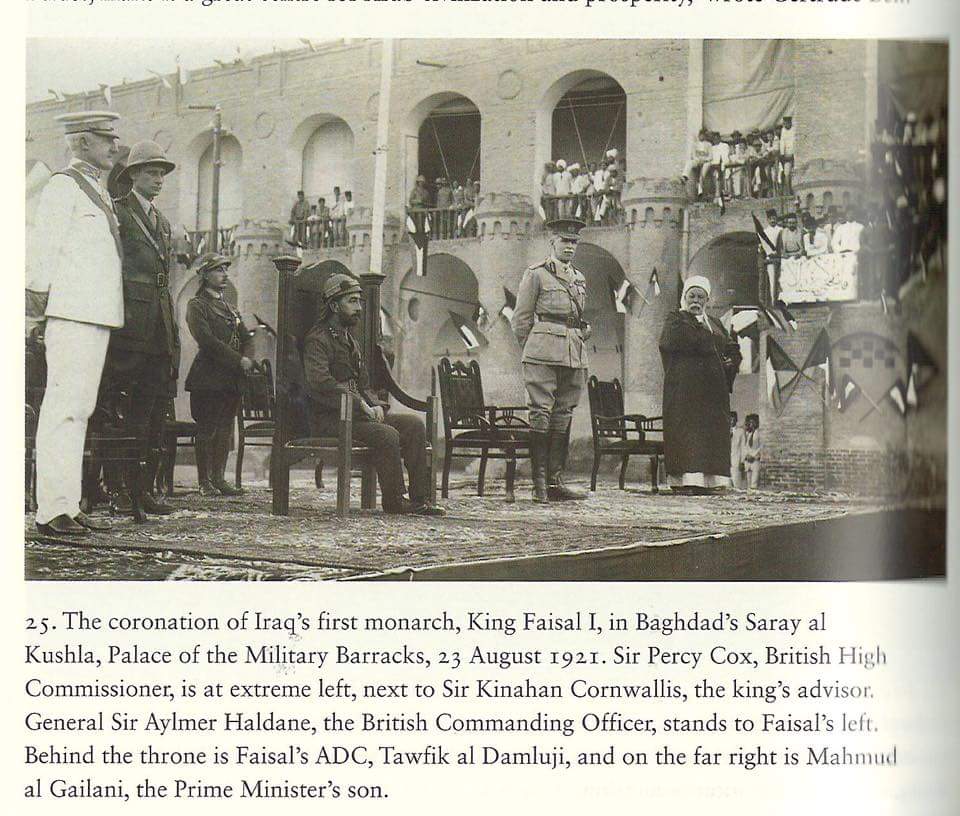
During the middle-ages, this viewpoint was common in Europe. For example, William Tyndale who was the first person to translate the Bible into English argued in 1528:
“He that judgeth the king judgeth God; and he that resisteth the king resisteth God and damneth God’s law and ordinance…The king is, in this world, without law, and may at his lust do right or wrong and shall give accounts but to God only.”[8]
Theories purporting to show the ‘divine right’ of kings and that monarchy was not simply the natural state of political affairs, but was ordained by God, was a particular feature of English political writings during the 16th and 17th centuries. James VI of Scotland, but also known as James I of England, famously sought to lay out not only the duties that the English subject bore to their king, but also that this was divinely sanctioned. Writing in 1598 he said:
“And it is here likewise to be noted that the duty and allegiance which the people swears to their prince is not bound to themselves, but likewise to their lawful heirs and posterity, the lineal succession of crowns being begun among the people of God and happily continued in divers Christian commonwealths.”[9]
And in his speech to the assembled Houses of Parliament – the Commons and the Lords in 1610 he said:
“The state of monarchy is the supremest thing upon earth. For kings are not only God’s lieutenants upon earth, and sit upon God’s throne, but even by God himselfe they are called gods….In the Scriptures kings are called gods, and so their power after a certain relation compared to the divine power.”[10]
Arguably one of the most famous expositions of hereditary monarchy, justified through both Christian scripture and an appeal to reason, was the Leviathan of Thomas Hobbes, published in 1651. The quotes presented below are taken from chapters 17 and 20:
“This done, the Multitude so united in one Person, is called a COMMON-WEALTH, in latine CIVITAS. This is the Generation of that great LEVIATHAN, or rather (to speake more reverently) of that Mortall God, to which wee owe under the Immortal God, our peace and defence. For by this Authoritie, given him by every particular man in the Common-Wealth, he hath the use of so much Power and Strength conferred on him, that by terror thereof, he is inabled to conforme the wills of them all, to Peace at home, and mutuall ayd against their enemies abroad. And in him consisteth the Essence of the Commonwealth; which (to define it,)is One Person, of whose Acts a great Multitude, by mutuall Covenants one with another, have made themselves every one the Author, to the end he may use the strength ad means of them all, as he shall think expedient, for their Peace and Common Defence.
It belongeth therefore to the Soveraigne to bee Judge and to praescribe, the Rules of discerning Good and Evill; which Rules are Lawes; and therefore in him is the Legislative Power.”[11]
Surely a Muslim must be conscious of these key political facts. Notwithstanding this, the words as revealed upon the tongue of the noble Prophet and final messenger to mankind, Muḥammad ﷺ clearly ring true:
Sa’eed bin Abi Maryam narrated to us Abu Ghassān narrated to us he said Zayd bin Aslam narrated to me from ‘Aṭā bin Yassār from Abu Sa’eed (may Allah be pleased with him) that the Prophet ﷺ said: “You will follow the wrong ways, of your predecessors so completely and literally that if they should go into the hole of a lizard you too will go there.” We said “O Allah’s Messenger! Do you mean the Jews and the Christians?” He replied “who else?”[12]
Notes
[1] Holy Qur’an, Surah al-Ma’ida, ayah 20
[2] Holy Qur’an, Surah Yusuf, ayah 101
[3] Holy Qur’an, Surah al-Ma’ida, ayah 20
[4] Sahih Muslim 2979a, https://sunnah.com/muslim:2979a
[5] Sahih Muslim 2143b, https://sunnah.com/muslim:2143b
[6] Sahih Muslim 1842a, https://sunnah.com/muslim:1842a ; sahih Bukhari 3455, https://sunnah.com/bukhari:3455
[7] Sahih al-Bukhari 6830, https://sunnah.com/bukhari:6830
[8] Cited in J. W. Allen (1964), A History of Political Thought in the Sixteenth Century (London: Barnes & Noble) UP No. 4 (university paperbacks), p. 128. Together with the other quotations, they are left as far as possible in the old English.
[9] The Trew Law of Free Monarchies, 1598
[10] Speech to the Lords and Commons of Parliament, 1610
[11] Thomas Hobbes, Leviathan, chapters 17 and 20
[12] Sahih Muslim 2669a, https://sunnah.com/muslim:2669a
 Islamic Civilization