
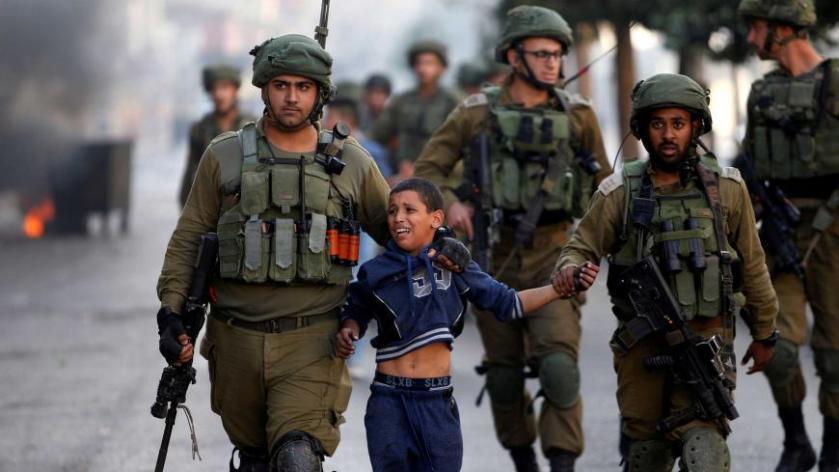
- Your blood, your wealth, your honor and your bodies are sacred
- Beware of suspicion and do not spy
- All things of a Muslim are inviolable to another Muslim, his blood, his wealth, and his honour
- Allah punishes those who torture people in this world
- Do not beat Muslims
- Do not beat slaves
- Do not strike and mark the face
- Do not punish the creation of Allah Almighty!
- Whoever beats someone (unjustly) will be punished on the Day of Resurrection
- It is not permissible for a Muslim to frighten another Muslim
This article is based on an excerpt from the book مُحاسَبَة الحُكّام ‘Accounting the Rulers’ by Prof. Dr. Muhammad bin Abdullah Al-Masari.[1]
Sheikh Al-Massari says, “This chapter contains a collection of blessed authentic hadiths that strictly prohibit torture, beatings, slapping the face, and even mere intimidation. These hadiths establish conclusive evidence against the injustice of the current rulers who continue to torture, oppress and harass their people.
We will present each narration in turn without discussing their authenticity at length, as the scholars have already undertaken this great task. Most of the hadiths were compiled by Al-Bukhari in “Al-Jami’ Al-Sahih Al-Mukhtasar” or in “Al-Adab Al-Mufrad”, and Al-Albani judged them to be authentic (saheeh) and good (hasan) in his book Sahih Al-Adab Al-Mufrad by Imam Al-Bukhari.”
Contents
- Your blood, your wealth, your honour, and your bodies are sacred
- Beware of suspicion and do not spy
- All things of a Muslim are inviolable to another Muslim: his blood, his wealth, and his honor
- Allah punishes those who torture people in this world
- Do not beat Muslims
- Do not beat slaves
- Do not strike and mark the face
- Do not punish the creation of Allah Almighty!
- Whoever beats someone (unjustly), retaliation will be punished on the Day of Resurrection
- It is not permissible for a Muslim to frighten another Muslim
Your blood, your wealth, your honor and your bodies are sacred
عَنْ أَبِي بَكْرَةَ أَنَّ رَسُولَ اللَّهِ صلى الله عليه وسلم خَطَبَ النَّاسَ فَقَالَ ” أَلاَ تَدْرُونَ أَىُّ يَوْمٍ هَذَا ”. قَالُوا اللَّهُ وَرَسُولُهُ أَعْلَمُ. قَالَ حَتَّى ظَنَنَّا أَنَّهُ سَيُسَمِّيهِ بِغَيْرِ اسْمِهِ. فَقَالَ ” أَلَيْسَ بِيَوْمِ النَّحْرِ ”. قُلْنَا بَلَى يَا رَسُولَ اللَّهِ. قَالَ ” أَىُّ بَلَدٍ، هَذَا أَلَيْسَتْ بِالْبَلْدَةِ ”. قُلْنَا بَلَى يَا رَسُولَ اللَّهِ. قَالَ ” فَإِنَّ دِمَاءَكُمْ، وَأَمْوَالَكُمْ، وَأَعْرَاضَكُمْ، وَأَبْشَارَكُمْ عَلَيْكُمْ حَرَامٌ، كَحُرْمَةِ يَوْمِكُمْ هَذَا، فِي شَهْرِكُمْ هَذَا، فِي بَلَدِكُمْ هَذَا، أَلاَ هَلْ بَلَّغْتُ ”. قُلْنَا نَعَمْ. قَالَ ” اللَّهُمَّ اشْهَدْ، فَلْيُبَلِّغِ الشَّاهِدُ الْغَائِبَ، فَإِنَّهُ رُبَّ مُبَلِّغٍ يُبَلِّغُهُ مَنْ هُوَ أَوْعَى لَهُ فَكَانَ كَذَلِكَ ـ قَالَ ـ لاَ تَرْجِعُوا بَعْدِي كُفَّارًا يَضْرِبُ بَعْضُكُمْ رِقَابَ بَعْضٍ
The Messenger of Allah ﷺ addressed the people and said, “Do you not know what day this is?” They said, “Allah and His Messenger know best.” We thought that he might give the day another name. He said, “Is it not the Day of Sacrifice (eid)?” We said, “Yes, O Messenger of Allah.” He said, “What town is this? Isn’t it the sacred town of Makkah?” We said, “Yes, O Messenger of Allah.” He said, “Your blood, your wealth, your honor and your bodies are as sacred to you as this day of yours, in this month of yours, in this town of yours. Have I not conveyed the message?!” We said: “Yes!” He said: “O Allah, bear witness: let the witness inform the absent person, for there is a possibility that someone who is more aware of him will inform him.” The narrator added, and it was like that. The Prophet ﷺ then said: “Do not return to being disbelievers after me by striking the necks of one another.”[2]
Beware of suspicion and do not spy
The Prophet ﷺ said,
إِيَّاكُمْ وَالظَّنَّ، فَإِنَّ الظَّنَّ أَكْذَبُ الْحَدِيثِ، وَلاَ تَحَسَّسُوا، وَلاَ تَجَسَّسُوا، وَلاَ تَحَاسَدُوا، وَلاَ تَدَابَرُوا، وَلاَ تَبَاغَضُوا، وَكُونُوا عِبَادَ اللَّهِ إِخْوَانًا
“Beware of suspicion, for suspicion is the worst of false tales; and do not look for others’ faults and do not spy, and do not be jealous of one another, and do not desert (cut your relations with) one another, and do not hate one another; and O Allah’s worshipers! Be brothers[3]!”[4]
Umar ibn al-Khattab used to personally conduct the night patrols of Madinah himself, even though he was the head of state (khaleefah). Abdur Rahman ibn Awf narrated that he would patrol the city at night with Umar ibn al-Khattab, may Allah be pleased with him, and on one occasion they were walking when the lamp of a household caught their attention. They approached it until they heard loud voices inside the door. Umar grabbed the hand of Abdur Rahman and he said, “Do you know whose house this is?” He said, “no.” Umar said, “This is the house of Rabi’ah ibn Umayyah ibn Khalaf, and they are inside drinking wine right now! What do you think?” Abdur Rahman said, “Indeed, I think we have done what Allah has prohibited for us. Allah Almighty said, وَلَا تَجَسَّسُوا ‘Do not spy,’[5] and we have spied on them.” Umar turned away and he left them alone.[6]
All things of a Muslim are inviolable to another Muslim, his blood, his wealth, and his honour
The Messenger of Allah ﷺ said:
لاَ تَحَاسَدُوا وَلاَ تَنَاجَشُوا وَلاَ تَبَاغَضُوا وَلاَ تَدَابَرُوا وَلاَ يَبِعْ بَعْضُكُمْ عَلَى بَيْعِ بَعْضٍ وَكُونُوا عِبَادَ اللَّهِ إِخْوَانًا . الْمُسْلِمُ أَخُو الْمُسْلِمِ لاَ يَظْلِمُهُ وَلاَ يَخْذُلُهُ وَلاَ يَحْقِرُهُ . التَّقْوَى هَا هُنَا . وَيُشِيرُ إِلَى صَدْرِهِ ثَلاَثَ مَرَّاتٍ بِحَسْبِ امْرِئٍ مِنَ الشَّرِّ أَنْ يَحْقِرَ أَخَاهُ الْمُسْلِمَ كُلُّ الْمُسْلِمِ عَلَى الْمُسْلِمِ حَرَامٌ دَمُهُ وَمَالُهُ وَعِرْضُهُ
“Don’t nurse a grudge, and don’t bid him out for raising the price, and don’t nurse aversion or enmity, and don’t enter into a transaction when the others have entered into that transaction, and be as fellow-brothers and servants of Allah.
A Muslim is the brother of a Muslim. He neither oppresses him nor humiliates him nor looks down upon him. The piety is here, (and while saying so) he pointed towards his chest thrice. It is a serious evil for a Muslim that he should look down upon his brother Muslim.
All things of a Muslim are inviolable for his brother in faith: his blood, his wealth and his honour.”[7]
Allah punishes those who torture people in this world
Hisham narrated that his father Hisham bin Hakim came upon some Nabataeans in Syria, who had been made to stand in the sun with olive-oil poured over their heads. On asking what the meaning of this was, and being told that they were suffering punishment concerning the kharaj (land-tax), he said: But I heard the Messenger of Allah ﷺ say:
إِنَّ اللَّهَ يُعَذِّبُ الَّذِينَ يُعَذِّبُونَ النَّاسَ فِي الدُّنْيَا
“Allah punishes those who torture people in this world.”[8]
Abu Luqman Fathullah comments on this hadith:
“a. Imam Nawawi mentioned that this is narrated in respect to the harming of people without right, such as torture, and is not meant generally such as the implementation of qisaas (retaliation) and Hudood (prescribed punishments) and so on.
b. It is prohibited in all the schools of thought to torture people on the basis of suspicion for the sake of information, and the attribution of such an opinion to Imam Malik is a false one and the details can be found in the relevant books which include detailed discussions regarding maslaha (benefit). Rather when suspicious of someone they should be left until clear evidence is provided.
c. However, the ruler is permitted to jail someone for a limited period of time, but this is only for a chance to investigate the accusations brought against them and should not be used to put pressure upon them or keep them held indefinitely, in accordance with the sound narration found in Tirmidhi that the Prophet ﷺ jailed someone for a day due to an accusation, and then freed him.
d. There is no difference in the hadith regarding whether the torturer is a disbeliever or not, the words used are general and so fall upon anyone who carries out torture whatever their personal belief.”[9]
Do not beat Muslims
قَالَ: أَقْبَلَ النَّبِيُّ صلى الله عليه وسلم مَعَهُ غُلامَانِ، فَوَهَبَ أَحَدُهُمَا لِعَلِيٍّ صَلَوَاتُ اللهِ عَلَيْهِ، وَقَالَ: لاَ تَضْرِبْهُ، فَإِنِّي نُهِيتُ عَنْ ضَرْبِ أَهْلِ الصَّلاَةِ، وَإِنِّي رَأَيْتُهُ يُصَلِّي مُنْذُ أَقْبَلْنَا، وَأَعْطَى أَبَا ذَرٍّ غُلاَمًا، وَقَالَ: اسْتَوْصِ بِهِ مَعْرُوفًا فَأَعْتَقَهُ، فَقَالَ: مَا فَعَلَ؟ قَالَ: أَمَرْتَنِي أَنْ أَسْتَوْصِي بِهِ خَيْرًا فَأَعْتَقْتُهُ.
Abu Umama said, ‘The Prophet ﷺ came with two slaves and gave one of them to ‘Ali and said, “Do not beat him. I have forbidden beating the people of the prayer and I saw him praying before we came.” He gave Abu Dharr a slave and said, “I recommend that you treat him well,” so Abu Dharr set him free. He said, “What have you done?” He replied, “You commanded me to treat him well, so I set him free.”’[10]
The Prophet ﷺ said,
أَجِيبُوا الدَّاعِيَ، وَلاَ تَرُدُّوا الْهَدِيَّةَ، وَلاَ تَضْرِبُوا الْمُسْلِمِينَ
“Respond to invitations. Do not reject gifts. Do not beat Muslims.”[11]
Do not beat slaves
The Prophet Muhammad ﷺ said:
مَنْ لَطَمَ مَمْلُوكَهُ أَوْ ضَرَبَهُ فَكَفَّارَتُهُ أَنْ يُعْتِقَهُ
“Whoever slaps his slave or strikes him, his atonement (kaffara) is to free him.”[12]
قَالَ: كُنْتُ أَضْرِبُ غُلاَمًا لِي، فَسَمِعْتُ مِنْ خَلْفِي صَوْتًا: اعْلَمْ أَبَا مَسْعُودٍ، لَلَّهُ أَقْدَرُ عَلَيْكَ مِنْكَ عَلَيْهِ، فَالْتَفَتُّ فَإِذَا هُوَ رَسُولُ اللهِ صلى الله عليه وسلم، قُلْتُ: يَا رَسُولَ اللهِ، فَهُوَ حُرٌّ لِوَجْهِ اللهِ، فَقَالَ: أَمَا لَوْ لَمْ تَفْعَلْ لَمَسَّتْكَ النَّارُ أَوْ لَلَفَحَتْكَ النَّارُ
Abu Mas’ud said, ‘I was beating a slave of mine when I heard a voice behind me, “Know, Abu Mas’ud, that Allah is able to call you to account for this slave.” I turned around and there was the Messenger of Allah ﷺ. I said, “Messenger of Allah, he is free for the sake of Allah!” He said, “If you had not done that, the Fire would have touched you (or the Fire would have burned you).”’[13]
كُنَّا نَبِيعُ الْبَزَّ فِي دَارِ سُوَيْدِ بْنِ مُقَرِّنٍ، فَخَرَجَتْ جَارِيَةٌ فَقَالَتْ لِرَجُلٍ شَيْئًا، فَلَطَمَهَا ذَلِكَ الرَّجُلُ، فَقَالَ لَهُ سُوَيْدُ بْنُ مُقَرِّنٍ: أَلَطَمْتَ وَجْهَهَا؟ لَقَدْ رَأَيْتُنِي سَابِعَ سَبْعَةٍ وَمَا لَنَا إِلاَّ خَادِمٌ، فَلَطَمَهَا بَعْضُنَا، فَأَمَرَهُ النَّبِيُّ صلى الله عليه وسلم أَنْ يُعْتِقُهَا.
Hilal ibn Yasaf said, ‘We used to sell linen in the house of Suwayd ibn Muqarrin. A slavegirl came out and said something to one of the men and that man slapped her. Suwayd ibn Muqarrin asked him, “Did you slap her face?” There were seven of us and we only had a single servant. Then one of us slapped her and the Prophet ﷺ ordered him to set her free.’[14]
Do not strike and mark the face
مَرَّ النَّبِيُّ صلى الله عليه وسلم بِدَابَّةٍ قَدْ وُسِمَ يُدَخِّنُ مَنْخِرَاهُ، قَالَ النَّبِيُّ صلى الله عليه وسلم: لَعَنَ اللَّهُ مَنْ فَعَلَ هَذَا، لاَ يَسِمَنَّ أَحَدٌ الْوَجْهَ وَلاَ يَضْرِبَنَّهُ
Jabir said, ‘The Prophet ﷺ passed by an animal which had been branded and its nostrils were smoking. The Prophet ﷺ said, “Allah curses any person who does this. No one should mark the face nor strike it.”’[15]
Al-Massari says, “This curse is for anyone who marks an animal in the face, so how about torturing humans, abusing them, burning them, and electrocuting them?!”
Do not punish the creation of Allah Almighty!
كَانَ النَّبِيُّ صلى الله عليه وسلم يُوصِي بِالْمَمْلُوكِينَ خَيْرًا وَيَقُولُ: أَطْعِمُوهُمْ مِمَّا تَأْكُلُونَ، وَأَلْبِسُوهُمْ مِنْ لَبُوسِكُمْ، وَلاَ تُعَذِّبُوا خَلْقَ اللهِ عَزَّ وَجَلَّ
Jabir ibn ‘Abdullah said, ‘The Prophet ﷺ advised that slaves should be well-treated. He said, “Feed them from what you eat and clothe them from what you wear. Do not punish[16] what Allah has created.”’[17]
Whoever beats someone (unjustly) will be punished on the Day of Resurrection
The Messenger of Allah ﷺ said,
مَنْ ضَرَبَ ضَرْبًا اقْتُصَّ مِنْهُ يَوْمَ الْقِيَامَةِ
“On the Day of Rising, retaliation will be taken from anyone who gives a beating.”[18]
It is not permissible for a Muslim to frighten another Muslim
Ibn Abu Laila said he was told by Muhammad’s ﷺ companions, that during a journey with the Messenger of Allah ﷺ while one of them was asleep another went to a rope he had with him and seized him[19] with the result that he was startled. The Messenger of Allah ﷺ then said,
لَا يَحِلُّ لِمُسْلِمٍ أَنْ يُرَوِّعَ مُسْلِمًا
“It is not lawful for a Muslim to frighten another.”[20]
All states must enforce the law, but this enforcement must never turn into oppression where secret police roam the streets rounding up citizens, subjecting them to unspeakable torture and leaving them languishing in prisons for years on end, as we find in many Muslim countries today. The small selection of hadith above are enough to dispel any notion of this.
Authority in Islam must be tied to sovereignty, which is the sharia, so that those in authority do not overstep the limits of their executive power.
Imam Ghazali says, “religion and authority are twins” (الدين والسلطان توأمان Ad-deen was-sultan tawaman)[21] and ibn Taymiyyah says, “If authority and wealth were intended to make one come nearer to Allah, and were virtually dispensed in His cause, then that would lead to the establishment of the deen and to prosperity in worldly affairs. If, on the other hand, authority was divorced from deen or deen was divorced from authority, then the whole affairs of the people would be spoiled.”[22]
Allah ta’ala says,
وَلَوِ ٱتَّبَعَ ٱلْحَقُّ أَهْوَآءَهُمْ لَفَسَدَتِ ٱلسَّمَـٰوَٰتُ وَٱلْأَرْضُ وَمَن فِيهِنَّ
“If the truth were to follow their whims and desires, the heavens and the earth and everyone in them would have been brought to ruin.”[23]
Imam al-Mawardi in his book Adab Ad-Dunya wad-Deen lists six principles[24] which if adhered to, can transform the current despotic, oppressive police states in the Muslim world, to countries where their people can prosper in this life and the next. He says, “Know that the means by which the world is put right, so that its conditions become orderly and its affairs healed are six foundational principles. They are:
- a followed religion دِينٌ مُتَّبَعٌ
- an all-powerful authority وَسُلْطَانٌ قَاهِر
- comprehensive justice وَعَدْلٌ شَامِل
- general security وَأَمْنٌ عَام
- perpetual fertility وَخِصْبٌ دَائِم
- and ample hope وَأَمَلٌ فَسِيح
These principles have their basis in the Qur’an and Sunnah and Allah ta’ala says that He will transform the situation in the land for people “who have iman and do righteous actions”,
وَعَدَ ٱللَّهُ ٱلَّذِينَ ءَامَنُوا۟ مِنكُمْ وَعَمِلُوا۟ ٱلصَّـٰلِحَـٰتِ لَيَسْتَخْلِفَنَّهُمْ فِى ٱلْأَرْضِ كَمَا ٱسْتَخْلَفَ ٱلَّذِينَ مِن قَبْلِهِمْ وَلَيُمَكِّنَنَّ لَهُمْ دِينَهُمُ ٱلَّذِى ٱرْتَضَىٰ لَهُمْ وَلَيُبَدِّلَنَّهُم مِّنۢ بَعْدِ خَوْفِهِمْ أَمْنًۭا ۚ يَعْبُدُونَنِى لَا يُشْرِكُونَ بِى شَيْـًۭٔا ۚ وَمَن كَفَرَ بَعْدَ ذَٰلِكَ فَأُو۟لَـٰٓئِكَ هُمُ ٱلْفَـٰسِقُونَ
“Allah has promised those of you who have iman and do righteous actions that He will make them successors in the land as He made those before them successors, and will firmly establish for them their deen with which He is pleased and give them, in place of their fear, security. ‘They worship Me, not associating anything with Me.’ Any who are kafir after that, such people are deviators.”[25]
Notes
[1] Prof. Dr: Muhammad bin Abdullah Al-Masari, ‘Accounting the Rulers,’ Third Edition, 2002CE 1423H https://www.renascencefoundation.com
[2] Sahih al-Bukhari 7078, https://sunnah.com/bukhari:7078
[3] In Arabic an address using the masculine word form in origin includes both males and females, whereas an address using the feminine word form is specific to females. This is called taghlib.
[4] Sahih al-Bukhari 6064 https://sunnah.com/bukhari:6064
[5] Holy Qur’an, Surah Al-Hujjurat, ayah 12
[6] Al-Hakim, al-Mustadrak 8136, Grade: Sahih (authentic) according to Al-Dhahabi https://shamela.ws/book/2266/8999#p1
[7] Sahih Muslim 2564a https://sunnah.com/muslim:2564a
[8] Sahih Muslim 2613b https://sunnah.com/muslim:2613b ; Mishkat al-Masabih 3522 https://sunnah.com/mishkat:3522
[9] Abu Luqman Fathullah, ‘The Sixty Sultaniyah,’ p.68
[10] Al-Adab Al-Mufrad 163 https://sunnah.com/adab:163
[11] Al-Adab Al-Mufrad 157 https://sunnah.com/adab:157
[12] Sahih Muslim 1657 https://sunnah.com/muslim/27/46
[13] Al-Adab Al-Mufrad 171 https://sunnah.com/adab:171
[14] Al-Adab Al-Mufrad 176 https://sunnah.com/adab:176
[15] Al-Adab Al-Mufrad 175 https://sunnah.com/adab:175
[16] Excluded from this are the prescribed punishments for crimes handed out by the state.
[17] Al-Adab Al-Mufrad 188 https://sunnah.com/adab:188
[18] Al-Adab Al-Mufrad 185 https://sunnah.com/adab:185
[19] The meaning is that he tied the rope round him while he was asleep, presumably as a joke.
[20] Mishkat al-Masabih 3545 https://sunnah.com/mishkat:3545 ; Sunan Abi Dawud 5004 https://sunnah.com/abudawud:5004
[21] Al-Ghazali’s Moderation in Belief: Al-Iqtiṣād fi al-I‘tiqād, translated by A M Yaqub, University of Chicago Press, Chicago and London, 2013, p.229
[22] Ibn Taymiyyah, ‘The Political Shariyah on Reforming the Ruler and The Ruled,’ Translation of as-Siyasah ash-Shari’ah fi Islah ar-Ra’i war-Ra’iyah, Dar ul Fiqh, UK, p.256
[23] Holy Qur’an, Surah Al-Muminun ayah 71
[24] Al-Mawardi, Adab Ad-Dunya wad-Deen, https://shamela.ws/book/765/118#p1
[25] Holy Qur’an, Surah An-Nur, ayah 55
 Islamic Civilization