

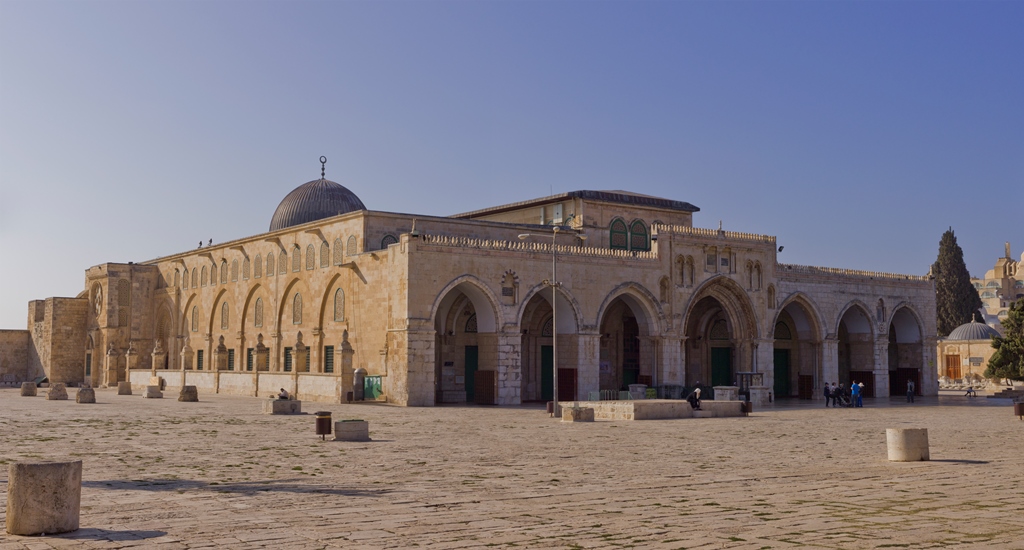
Salahudin Ayubi liberated Jerusalem (Al-Quds) on Friday 27 Rajab 583 AH/12 October 1187 CE after Lord Balian of Ibelin, the crusader commander in charge of Jerusalem, surrendered the city. This marked an end to nearly 100 years of crusader occupation and the liberation of Masjid Al-Aqsa.
When the crusaders first entered Jerusalem in 1099, they massacred the Muslim and Jewish inhabitants, yet Salahudin on retaking the city never enacted revenge on them for this, nor the subsequent atrocities they had committed over the past century. He followed in the footsteps of the Prophet Muhammad ﷺ who on entering Makkah did not enact revenge on Quraish who had persecuted him and the Muslims for over 20 years. This was the because the character of the Prophet ﷺ was the Qur’an.[1] Allah ta’ala says,
يَـٰٓأَيُّهَا ٱلَّذِينَ ءَامَنُوا۟ كُونُوا۟ قَوَّٰمِينَ لِلَّهِ شُهَدَآءَ بِٱلْقِسْطِ ۖ وَلَا يَجْرِمَنَّكُمْ شَنَـَٔانُ قَوْمٍ عَلَىٰٓ أَلَّا تَعْدِلُوا۟ ۚ ٱعْدِلُوا۟ هُوَ أَقْرَبُ لِلتَّقْوَىٰ ۖ وَٱتَّقُوا۟ ٱللَّهَ ۚ إِنَّ ٱللَّهَ خَبِيرٌۢ بِمَا تَعْمَلُونَ
O believers! Stand firm for Allah and bear true testimony. Do not let the hatred of a people lead you to injustice. Be just! That is closer to righteousness. And be mindful of Allah. Surely Allah is All-Aware of what you do.[2]
Salahudin agreed to grant safety to the crusaders and their families and let them leave the city for a ransom which was set at:
- 10 dinars per man, rich or poor alike
- 5 dinars per woman
- 4 dinars for boys
- 1 dinar for infants
- 30,000 dinars lump sum paid for by Balian for the remaining poor and destitute.
Salahudin gave Balian a time limit of forty days. Whoever paid their ransom within this time would be allowed to leave, and whoever was left after that would become a slave.[3]
Dr As-Sallaabi describes the events after the surrender of the city, ‘Salah ad-Deen fulfilled his promise to allow whoever paid a set amount to leave; at every gate he allocated an emir, one of the senior commanders, to keep track; whoever paid the ransom was allowed to leave.
Despite the small amount that Salah ad-Deen stipulated in return for allowing them to leave Jerusalem and guarantee them safe passage to their destination, a great many of them were unable to pay this sum for themselves, so after forty days had passed they became prisoners of the Muslims. Not one of the rich crusaders did anything to ransom the poor. The Patriarch Heraclius left Jerusalem with his great wealth, not paying attention to anyone else. It seems that this was due to the lack of family or other ties among the Crusaders at that time. The prisoners were a mixture of different European ethnic groups and peoples, and western mercenaries who had travelled to the east in order to escape the serfdom that was prevalent in European society.
To sum up, this disgraceful attitude on the part of the senior Crusaders and the chivalry and tolerance displayed by Salah ad-Deen compelled one English writer to express his admiration for Salah ad-Deen when he wrote, after criticizing the Patriarch, “This was an opportunity for the Muslim king to teach the Christians the meaning of tolerance.”
Salah ad-Deen and other Muslim emirs confirmed this attitude of tolerance and chivalry when thousands of Crusader civilians who could not pay the stipulated ransom became the captives of Salah ad-Deen, and al-Malik al-‘Adil sent word to his brother, the sultan Salah ad-Deen, asking him to give him one thousand of those poor Crusaders so that he could release them for the sake of Allah.
Salah ad-Deen responded to this request. This humane action on the part of al-Malik al-‘Adil moved the Patriarch and Balian, and they came to Salah ad-Deen and asked him to do likewise, so Salah ad-Deen gave them what they asked for and let them go.
When he ordered his guards to call out in the streets of Jerusalem that he would release any of the Crusaders who could not pay the ransom because of old age, and that this group should go to the rear gate of the city so that they could be released from sunrise until nightfall. No sooner was the proclamation made but innumerable Crusaders made their way to that gate.
The emir of Bira requested the release of around five hundred Armenians, telling Salah ad-Deen that they were from his Land and that they had come to Jerusalem to worship there. The emir Muzaffar ad-Deen ‘Ali Koojak also requested the release of around a thousand Armenians, claiming that they were from Edessa, and Salah ad-Deen responded to that and let them go.
Muslim tolerance was not limited only to the actions of Salah ad-Deen, his brother al-Malik al-‘Adil and the senior emirs; it extended to the Muslim common folk too.
Salah ad-Deen showed a great deal of tolerance and good treatment towards the Crusader captives in Jerusalem. Salah ad-Deen’s generosity and gallantry extended to the wives and daughters of the Crusader knights who had been killed or captured during their battles with Salah ad-Deen. They gathered before Salah ad-Deen, weeping. He asked about their situation and what they wanted, and he was told that they were pleading for mercy. Salah ad-Deen felt sorry for them and allowed anyone whose husband was still alive to point him out, then he released them and allowed them to go wherever they wanted. As for the women and girls whose husbands and fathers had been killed, Salah ad-Deen ordered that they be given, from his personal wealth, enough to sustain them according to their position, and he gave to them until they began to pray for him.”[4]
Allah ta’ala says,
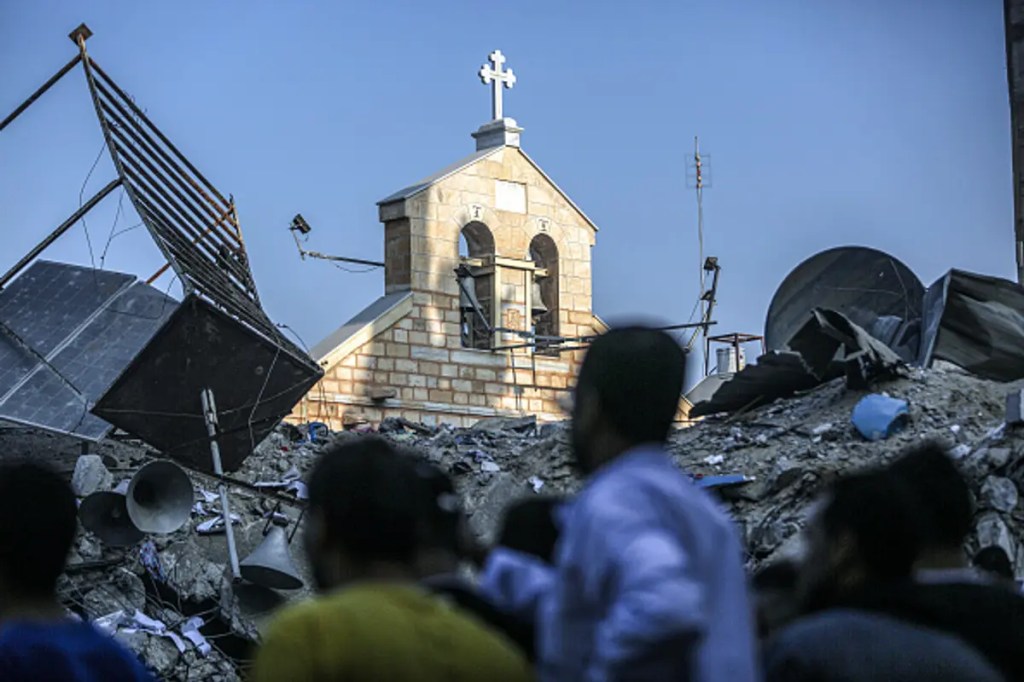
ٱلَّذِينَ أُخْرِجُوا۟ مِن دِيَـٰرِهِم بِغَيْرِ حَقٍّ إِلَّآ أَن يَقُولُوا۟ رَبُّنَا ٱللَّهُ ۗ وَلَوْلَا دَفْعُ ٱللَّهِ ٱلنَّاسَ بَعْضَهُم بِبَعْضٍۢ لَّهُدِّمَتْ صَوَٰمِعُ وَبِيَعٌۭ وَصَلَوَٰتٌۭ وَمَسَـٰجِدُ يُذْكَرُ فِيهَا ٱسْمُ ٱللَّهِ كَثِيرًۭا ۗ وَلَيَنصُرَنَّ ٱللَّهُ مَن يَنصُرُهُۥٓ ۗ إِنَّ ٱللَّهَ لَقَوِىٌّ عَزِيزٌ
˹They are˺ those who have been expelled from their homes for no reason other than proclaiming: “Our Lord is Allah.” Had Allah not repelled ˹the aggression of˺ some people by means of others, destruction would have surely claimed monasteries, churches, synagogues, and mosques in which Allah’s Name is often mentioned. Allah will certainly help those who stand up for Him. Allah is truly All-Powerful, Almighty.[5]
Notes
[1] Sahih Muslim 746a, https://sunnah.com/muslim:746a
[2] Holy Qur’an, Surah Al-Maidah, ayah 8
[3] Dr Ali M. Sallaabi, ‘Salah ad-Deen Al-Ayubi, ‘The Battle of Hattin, the Conquest of Jerusalem and the Third Crusade,’ Vol.3, International Islamic Publishing House, p.68
[4] Ibid, p.70
[5] Holy Qur’an, Surah Al-Hajj, ayah 40
 Islamic Civilization